
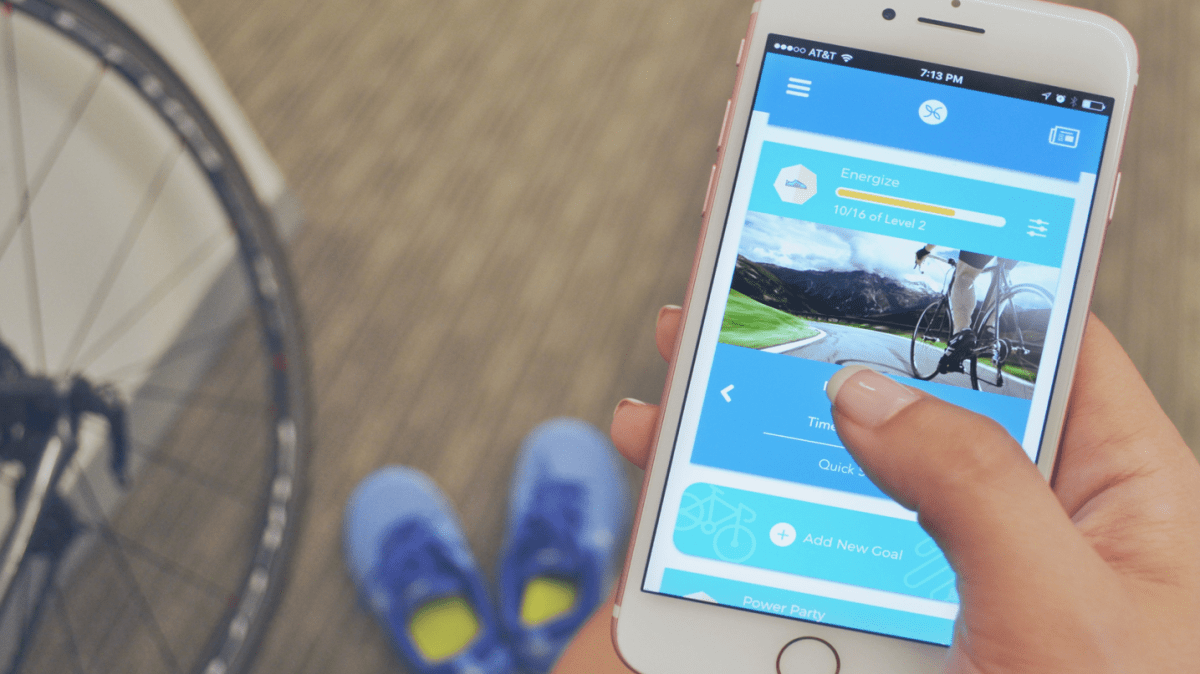
In a world buzzing with stress and distractions, holistic wellness apps are emerging as powerful allies in the quest for balance, health, and inner peace. These digital tools don’t just track steps—they nurture your mind, body, and soul.
What Are Holistic Wellness Apps?

Holistic wellness apps are mobile or web-based platforms designed to support overall well-being by integrating physical, mental, emotional, and spiritual health. Unlike traditional fitness or meditation apps that focus on a single aspect of health, these tools take a 360-degree approach to wellness.
Defining Holistic Wellness
The term ‘holistic’ refers to the idea that all parts of a person—body, mind, emotions, and spirit—are interconnected. True wellness isn’t achieved by just eating right or working out; it requires harmony across all these dimensions.
- Physical health: Nutrition, exercise, sleep
- Mental health: Cognitive function, focus, clarity
- Emotional health: Stress management, emotional regulation
- Spiritual health: Purpose, mindfulness, connection
Holistic wellness apps aim to address each of these areas, offering users a unified platform to track, improve, and sustain their well-being.
How Holistic Wellness Apps Differ from Traditional Health Apps
While a standard fitness tracker might count your steps or monitor your heart rate, holistic wellness apps go deeper. They often combine features like mood journaling, guided meditation, nutrition planning, and even community support.
For example, Headspace started as a meditation app but has evolved into a full-fledged holistic wellness platform offering sleep sounds, focus music, and mental health coaching.
“Wellness is the complete integration of body, mind, and spirit – the realization that everything we do, think, feel, and believe has an effect on our state of well-being.” – Greg Anderson
Top 7 Holistic Wellness Apps Changing Lives
The market for holistic wellness apps is booming, with millions of users turning to digital solutions for a more balanced life. Below are seven of the most impactful holistic wellness apps available today, each offering unique features to support comprehensive well-being.
1. Calm – The Ultimate Mindfulness Companion
Calm is one of the most popular holistic wellness apps, renowned for its sleep stories, guided meditations, and breathing exercises. It’s designed to reduce anxiety, improve sleep quality, and enhance mindfulness.
- Features: Daily Calm sessions, sleep stories narrated by celebrities, music for focus and relaxation
- Benefits: Proven to reduce stress and improve sleep onset latency
- Pricing: Free with premium subscription options
Calm integrates seamlessly into daily routines, making mindfulness accessible even for beginners. Its partnership with healthcare providers has also led to clinical studies showing measurable mental health improvements.
2. Insight Timer – The Largest Free Meditation Library
Insight Timer stands out in the world of holistic wellness apps by offering over 130,000 free meditations from teachers around the globe. It’s a community-driven platform that emphasizes accessibility and diversity in spiritual practice.
- Features: Timer-based meditation, music tracks, courses on stress reduction and emotional healing
- Community: Live events, discussion groups, and teacher interactions
- Science-Backed: Research shows users report reduced anxiety and improved emotional resilience
Unlike many paid apps, Insight Timer proves that high-quality holistic wellness tools can be free. Its open-access model supports inclusivity in mental health care.
3. Fabulous – Behavior Change Meets Wellness
Fabulous takes a behavioral science approach to holistic wellness. It guides users through personalized routines that build healthy habits step by step, from morning rituals to evening wind-downs.
- Features: Habit tracking, motivational coaching, science-based challenges
- Focus Areas: Sleep, hydration, movement, mindfulness
- Design: Gamified experience with progress milestones
Fabulous is particularly effective for users who struggle with consistency. By leveraging principles from psychology, it helps rewire daily behaviors for long-term wellness.
4. Welltory – Biofeedback-Powered Wellness
Weltory uses heart rate variability (HRV) analysis to provide personalized insights into your body’s stress levels and recovery. It’s one of the few holistic wellness apps that blend biometrics with emotional and mental health tracking.
- Technology: Uses your phone’s camera to measure HRV in under a minute
- Insights: Daily readiness score, stress trends, energy levels
- Integration: Syncs with Apple Health and other fitness trackers
Weltory is ideal for data-driven individuals who want to understand how lifestyle choices affect their internal state. It turns subjective feelings into objective metrics.
5. Aaptiv – Audio-Based Fitness & Wellness
Aaptiv offers audio-guided workouts and wellness programs tailored to different fitness levels and goals. It’s a holistic wellness app that bridges physical activity with mental motivation.
- Programs: Running, strength training, yoga, stress management
- Coaching: Professional trainers guide each session
- Flexibility: Can be used anywhere, no equipment needed
Aaptiv’s strength lies in its motivational audio format, which keeps users engaged and accountable. It’s especially useful for people who find traditional gym routines monotonous.
6. Moodfit – Mental Health & Emotional Balance
Moodfit is a comprehensive tool for emotional wellness, offering mood tracking, cognitive behavioral therapy (CBT) exercises, and gratitude journaling. It’s designed to help users gain insight into their emotional patterns.
- Features: Daily mood logs, thought reframing tools, breathing guides
- Customization: Users can set personal wellness goals
- Privacy: Fully offline mode available for sensitive data
Moodfit empowers users to take control of their mental health without needing a therapist. It’s a valuable resource for early intervention and self-awareness.
7. Balance – Personalized Meditation & Mindfulness
Balance offers a highly personalized meditation experience, adapting to your goals, experience level, and schedule. It’s one of the fastest-growing holistic wellness apps due to its intuitive design and effectiveness.
- Personalization: AI-driven recommendations based on user feedback
- Content: Meditations for sleep, focus, anxiety, and self-compassion
- Accessibility: Free for students and educators through partnerships
Balance has been shown to reduce perceived stress by up to 50% in regular users. Its adaptive learning model ensures that the content evolves with the user’s needs.
The Science Behind Holistic Wellness Apps
While many holistic wellness apps are marketed with bold claims, a growing body of scientific research supports their effectiveness. Studies show that digital interventions can significantly improve mental health, sleep quality, and overall life satisfaction.
Clinical Evidence of Efficacy
Randomized controlled trials have demonstrated that apps like Calm and Headspace can reduce symptoms of anxiety and depression. A 2021 study published in JAMA Internal Medicine found that participants using mindfulness apps reported lower stress levels and improved emotional regulation after just eight weeks.
- Reduction in cortisol (stress hormone) levels
- Improved sleep efficiency and reduced insomnia symptoms
- Enhanced attention span and cognitive flexibility
These findings validate the role of holistic wellness apps as legitimate tools in preventive healthcare.
Neuroplasticity and Digital Mindfulness
One of the most exciting aspects of holistic wellness apps is their ability to influence neuroplasticity—the brain’s capacity to reorganize itself by forming new neural connections. Regular meditation and mindfulness practice, facilitated by apps, can lead to structural changes in the brain associated with emotional regulation and self-awareness.
Research from Harvard Medical School shows that just eight weeks of mindfulness practice can increase gray matter density in the hippocampus, a region linked to learning and memory.
“The brain is like a muscle. The more you train it in positive thinking, the stronger those neural pathways become.” – Dr. Sara Lazar, Harvard Neuroscientist
Key Features to Look for in Holistic Wellness Apps
With hundreds of apps claiming to support holistic wellness, it’s essential to know what features truly make a difference. Not all apps are created equal, and some may lack the depth needed for real transformation.
Personalization and Adaptive Learning
The best holistic wellness apps use AI and user feedback to tailor content to individual needs. Personalization increases engagement and ensures that the app evolves as your wellness journey progresses.
- Custom meditation plans based on goals
- Adaptive habit tracking with reminders
- Dynamic content recommendations
Apps like Balance and Fabulous excel in this area by using machine learning to refine user experiences over time.
Integration with Wearables and Health Data
True holistic wellness requires data integration. The most effective apps sync with devices like Apple Watch, Fitbit, or Garmin to pull in biometric data such as heart rate, sleep patterns, and activity levels.
For example, Welltory integrates with Apple Health to provide a unified view of physical and emotional wellness. This holistic data fusion allows for more accurate insights and actionable recommendations.
Community and Social Support
Human connection is a vital component of wellness. Many top holistic wellness apps now include community features such as group meditations, discussion forums, or peer challenges.
Insight Timer’s global community of over 10 million users participates in live events and shares experiences, creating a sense of belonging that enhances motivation and accountability.
How Holistic Wellness Apps Improve Mental Health
Mental health is a cornerstone of holistic wellness, and digital tools are playing an increasingly important role in making support accessible. Holistic wellness apps offer scalable solutions for anxiety, depression, and stress management.
Reducing Anxiety and Depression Symptoms
Guided meditations, breathing exercises, and CBT-based tools in holistic wellness apps have been shown to reduce symptoms of anxiety and mild to moderate depression. Apps like Moodfit and Calm provide structured programs that users can follow at their own pace.
- Daily check-ins to monitor mood fluctuations
- Thought reframing exercises to combat negative thinking
- Progress tracking to visualize improvement over time
A 2020 meta-analysis in NPJ Digital Medicine concluded that digital mental health interventions are effective, especially when combined with human support.
Supporting Sleep and Circadian Rhythms
Poor sleep is linked to a host of health issues, from weakened immunity to cognitive decline. Holistic wellness apps address sleep through relaxation techniques, sleep stories, and circadian rhythm coaching.
Calm’s sleep stories, narrated by voices like Matthew McConaughey and Harry Styles, have become cultural phenomena. Clinical trials show that listening to calming audio before bed can reduce the time it takes to fall asleep by up to 30%.
Enhancing Emotional Intelligence
Emotional intelligence—the ability to recognize, understand, and manage emotions—is a critical skill for personal and professional success. Holistic wellness apps foster emotional intelligence through journaling, reflection prompts, and mindfulness practice.
Features like gratitude logging in Fabulous or mood mapping in Moodfit help users develop greater self-awareness and empathy, leading to healthier relationships and improved decision-making.
The Role of Technology in Modern Holistic Wellness
Technology is no longer just a distraction—it’s becoming a bridge to deeper self-awareness and well-being. Holistic wellness apps represent the convergence of psychology, neuroscience, and digital innovation.
AI and Machine Learning in Wellness
Artificial intelligence is revolutionizing how holistic wellness apps deliver content. By analyzing user behavior, AI can predict when someone might need a stress-relief session or suggest a mindfulness break based on activity patterns.
For instance, some apps now use AI to detect changes in voice tone or typing speed as early indicators of stress, prompting timely interventions.
Wearable Integration and Real-Time Feedback
Wearables like smartwatches provide continuous biometric data that holistic wellness apps can leverage for real-time feedback. If your heart rate spikes during a meeting, an app might suggest a breathing exercise to calm your nervous system.
This level of integration transforms passive tracking into active wellness coaching, making prevention more proactive than ever.
Telehealth and App-Based Therapy
Many holistic wellness apps are now partnering with licensed therapists to offer telehealth services. Users can transition seamlessly from self-guided meditation to professional counseling within the same platform.
Platforms like BetterHelp and Talkspace integrate wellness tools with therapy, creating a continuum of care that bridges the gap between self-help and clinical treatment.
Challenges and Limitations of Holistic Wellness Apps
Despite their benefits, holistic wellness apps are not without limitations. Understanding these challenges is crucial for responsible use and realistic expectations.
Data Privacy and Security Concerns
Wellness apps collect sensitive personal data, including mood logs, sleep patterns, and biometrics. While many companies claim to protect user privacy, data breaches and third-party sharing remain risks.
- Always review app permissions and privacy policies
- Prefer apps that offer offline modes or end-to-end encryption
- Avoid sharing highly sensitive information unless necessary
Organizations like the Electronic Frontier Foundation advocate for stronger data protection in health tech.
Over-Reliance on Technology
While apps can support wellness, they should not replace human connection or professional care. Over-reliance on digital tools may lead to isolation or delayed treatment for serious conditions.
It’s important to use holistic wellness apps as complements to, not substitutes for, therapy, medical care, and real-world relationships.
Variability in Quality and Scientific Rigor
Not all apps are backed by science. Some use buzzwords like ‘mindfulness’ or ‘energy healing’ without evidence-based content. Users should look for apps developed with input from healthcare professionals or those that cite peer-reviewed research.
Resources like American Psychological Association provide guidelines for evaluating mental health apps.
How to Choose the Right Holistic Wellness App for You
Selecting the best holistic wellness app depends on your personal goals, lifestyle, and preferences. What works for one person may not suit another.
Assess Your Wellness Goals
Start by identifying your primary needs. Are you struggling with sleep? Managing anxiety? Building better habits? Your goal will determine which app features are most relevant.
- Sleep issues → Calm, Pzizz
- Stress and anxiety → Insight Timer, Moodfit
- Habit formation → Fabulous, Streaks
- Physical + mental balance → Aaptiv, Welltory
Try Free Versions and Trials
Most holistic wellness apps offer free versions or trial periods. Use these to test the interface, content quality, and overall user experience before committing to a subscription.
Pay attention to how the app makes you feel—does it reduce stress or add pressure? Is the tone supportive or judgmental?
Check for Professional Endorsements
Apps endorsed by psychologists, doctors, or wellness experts are more likely to be trustworthy. Look for partnerships with hospitals, universities, or professional associations.
For example, Headspace has collaborated with the Mayo Clinic and UCLA Health, lending credibility to its programs.
What are holistic wellness apps?
Holistic wellness apps are digital platforms that support overall well-being by integrating physical, mental, emotional, and spiritual health. They go beyond fitness tracking to include meditation, mood journaling, sleep support, and habit building.
Are holistic wellness apps scientifically proven?
Yes, many holistic wellness apps have been studied in clinical trials. Research shows they can reduce anxiety, improve sleep, and enhance emotional regulation. Apps like Calm, Headspace, and Insight Timer have published peer-reviewed studies supporting their effectiveness.
Which holistic wellness app is best for beginners?
For beginners, Calm and Balance are excellent choices due to their user-friendly interfaces and guided onboarding processes. Both offer introductory programs that require no prior experience with meditation or mindfulness.
Do holistic wellness apps work without a subscription?
Some apps offer robust free versions. Insight Timer, for example, provides over 130,000 free meditations. Others like Fabulous and Moodfit offer limited free features but encourage upgrades for full access. It’s possible to benefit from these apps without paying, but premium content often delivers deeper value.
Can holistic wellness apps replace therapy?
No, holistic wellness apps should not replace professional therapy for serious mental health conditions. However, they can be valuable supplements to treatment, helping users manage symptoms and build resilience between sessions.
Holistic wellness apps are transforming the way we approach health and well-being. By integrating mind, body, and spirit through science-backed tools, they offer accessible, personalized support for modern life’s challenges. While not without limitations, the best apps empower users to take control of their health in meaningful ways. Whether you’re seeking better sleep, reduced stress, or greater emotional balance, there’s a holistic wellness app designed to help you thrive. The key is to choose wisely, use them mindfully, and remember that technology is a tool—not a cure-all.
Further Reading: