
Step into the world of ancient healing practices, where wisdom from forgotten eras still pulses with life. Long before modern medicine, our ancestors relied on nature, ritual, and deep observation to heal body and soul. These time-tested traditions weren’t just superstition—they were sophisticated systems refined over millennia. And surprisingly, many still hold powerful relevance today.
1. The Roots of Ancient Healing Practices

Long before hospitals and pharmaceuticals, humans turned to the earth, the stars, and spiritual insight to treat illness. Ancient healing practices emerged from a profound connection between people and their environment, blending empirical observation with cultural belief. These systems weren’t isolated; they formed the foundation of entire medical traditions that influenced generations.
Origins in Prehistoric Medicine
Archaeological evidence shows that early humans practiced forms of healing as far back as the Paleolithic era. Trepanation—the practice of drilling holes into the skull—has been found in remains dating to 6500 BCE, suggesting attempts to relieve pressure, treat seizures, or release evil spirits. While the exact reasoning remains debated, the survival of many trepanned individuals indicates a level of medical skill.
- Trepanation was performed with stone tools across Europe, Africa, and South America.
- Healing rituals often involved shamans or tribal healers acting as intermediaries between the physical and spiritual worlds.
- Herbal knowledge was passed down orally through generations, forming the earliest pharmacopeias.
These early practices laid the groundwork for more structured systems. The transition from shamanic healing to organized medicine marked a pivotal shift in human history. As societies grew, so did the complexity of their healing methods.
The Role of Spirituality and Ritual
In most ancient cultures, illness was not seen as purely physical. It was often interpreted as a sign of spiritual imbalance, divine punishment, or demonic influence. Healing, therefore, required more than herbs or surgery—it demanded ritual, prayer, and purification.
“Disease is not an entity, but a fluctuating condition of the patient’s body, a battle between the disease and the person’s natural healing force.” — Hippocrates
In Ancient Egypt, priests of Sekhmet were also physicians, combining incantations with medical treatments. Temples dedicated to Asclepius in Greece served as healing sanctuaries where patients slept (incubation) to receive curative dreams. These practices reveal a holistic worldview where mind, body, and spirit were inseparable.
Transmission of Knowledge Across Civilizations
Healing knowledge traveled along trade routes, through conquest, and via scholarly exchange. The Babylonians recorded medical prescriptions on clay tablets, while Indian sages composed the Vedas, which included early Ayurvedic principles. The Chinese developed diagnostic methods based on observation and pulse reading, later codified in texts like the Huangdi Neijing.
These traditions didn’t evolve in isolation. Alexander the Great’s campaigns facilitated the exchange of Greek and Indian medicine. Later, Islamic scholars preserved and expanded upon Greek and Roman medical texts, translating them into Arabic and advancing surgical techniques. This cross-cultural flow ensured that ancient healing practices were not lost but transformed and preserved.
2. Ayurveda: The Science of Life from Ancient India
One of the oldest continuous healing systems, Ayurveda, originated in India over 3,000 years ago. Rooted in the Vedas, it means “science of life” (ayur = life, veda = knowledge). Ayurveda is not just about treating disease—it’s a comprehensive lifestyle system aimed at maintaining balance and preventing illness.
The Three Doshas: Vata, Pitta, and Kapha
Ayurveda classifies individuals into three primary mind-body types, or doshas: Vata (air and space), Pitta (fire and water), and Kapha (earth and water). Each dosha governs specific physiological and psychological functions.
- Vata controls movement, breathing, and circulation. Imbalance leads to anxiety, dry skin, and constipation.
- Pitta regulates digestion, metabolism, and energy production. Excess Pitta causes inflammation, acidity, and irritability.
- Kapha governs structure, stability, and fluid balance. Kapha imbalance results in weight gain, lethargy, and congestion.
Diagnosis in Ayurveda involves assessing the patient’s doshic balance through pulse reading, observation, and questioning. Treatment aims to restore equilibrium using diet, herbs, detoxification (Panchakarma), and lifestyle adjustments.
Herbal Remedies and Natural Therapies
Ayurvedic medicine employs hundreds of plant-based remedies. Turmeric, ashwagandha, triphala, and tulsi are just a few herbs still studied today for their anti-inflammatory, adaptogenic, and immune-boosting properties.
Modern research supports some Ayurvedic claims. For example, a study published in the Journal of Ethnopharmacology found that ashwagandha significantly reduces cortisol levels and symptoms of stress. Turmeric’s active compound, curcumin, has been widely researched for its antioxidant and anti-cancer effects.
Learn more about Ayurvedic herbs and their scientific validation here.
ancient healing practices – Ancient healing practices menjadi aspek penting yang dibahas di sini.
Daily Routines and Seasonal Cleansing
Ayurveda emphasizes Dinacharya (daily routine) and Ritucharya (seasonal regimen) to maintain health. Waking early, oil pulling, tongue scraping, and mindful eating are all part of a balanced Ayurvedic lifestyle.
Seasonal detoxification, especially during seasonal transitions, is recommended to eliminate accumulated toxins (ama). Panchakarma, a fivefold cleansing therapy, includes procedures like therapeutic vomiting, enemas, and nasal administration of medicated oils. While intense, these practices are believed to reset the body’s natural healing mechanisms.
3. Traditional Chinese Medicine and Its Healing Wisdom
Traditional Chinese Medicine (TCM) is a holistic system that has evolved over more than 2,500 years. It is based on the concept of Qi (vital energy) flowing through meridians in the body. When Qi is blocked or imbalanced, illness occurs. TCM seeks to restore harmony through acupuncture, herbal medicine, diet, and movement practices.
Acupuncture and the Flow of Qi
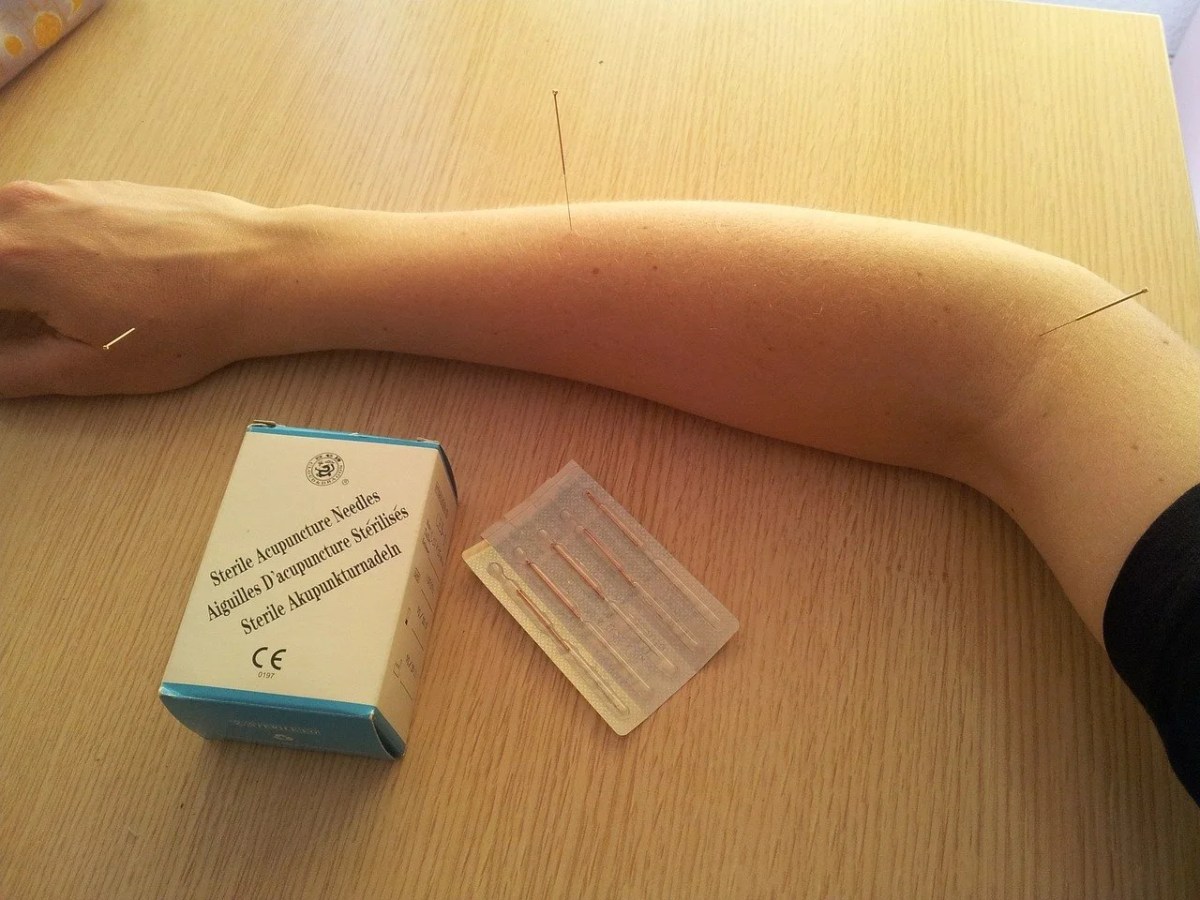
Acupuncture involves inserting fine needles into specific points along meridians to regulate the flow of Qi. Though once dismissed by Western science, acupuncture is now widely accepted for pain management, stress reduction, and nausea relief.
The World Health Organization (WHO) recognizes acupuncture as effective for over 20 conditions, including migraines, osteoarthritis, and chemotherapy-induced nausea. Functional MRI studies have shown that acupuncture can influence brain activity and modulate pain perception.
WHO’s report on acupuncture and traditional medicine highlights its global relevance.
Chinese Herbal Medicine and Formulas
TCM uses complex herbal formulas tailored to individual patterns of disharmony. Unlike Western medicine’s single-compound approach, TCM combines multiple herbs to enhance efficacy and reduce side effects.
- Ginseng is used to boost energy and immunity.
- Goji berries support liver and eye health.
- Reishi mushroom is prized for its calming and immune-modulating effects.
One of the most famous formulas, Shen Nong Ben Cao Jing, dates back to 200 CE and catalogs hundreds of medicinal substances. Modern pharmacognosy continues to validate many of these herbs, with compounds like berberine (from Coptis chinensis) showing promise in managing diabetes.
Qigong and Tai Chi: Movement as Medicine
Qigong and Tai Chi are mind-body practices that combine slow, deliberate movements with breath control and meditation. They are designed to cultivate and balance Qi.
Studies show that regular practice improves balance, reduces falls in the elderly, lowers blood pressure, and enhances mental clarity. A 2018 meta-analysis in the American Journal of Health Promotion found that Tai Chi significantly reduces anxiety and depression.
These practices exemplify the ancient healing practices principle that movement is not just physical exercise—it’s a form of internal medicine.
4. Ancient Egyptian Medicine: Temples, Herbs, and Surgery
Ancient Egypt was one of the first civilizations to develop a formalized medical system. Egyptian physicians were highly respected, and medical knowledge was recorded in papyri such as the Ebers Papyrus (c. 1550 BCE), one of the oldest medical texts in existence.
The Ebers Papyrus and Medical Knowledge
The Ebers Papyrus contains over 700 remedies and spells for treating ailments ranging from digestive issues to skin diseases. It reveals a surprisingly advanced understanding of anatomy and physiology, including the heart’s role in circulating blood (though not fully accurate by modern standards).
- Recipes include honey, garlic, willow bark (a natural source of salicylic acid, precursor to aspirin), and castor oil.
- Doctors diagnosed by examining urine, pulse, and stool—methods still used today.
- Magical incantations were often combined with practical treatments, reflecting the dual nature of Egyptian healing.
The integration of magic and medicine wasn’t mere superstition—it reflected a worldview where psychological and spiritual factors were integral to healing.
ancient healing practices – Ancient healing practices menjadi aspek penting yang dibahas di sini.
Priest-Physicians and Temple Healing
In Egypt, medicine was closely tied to religion. The god Thoth was considered the inventor of medicine, and Imhotep, a historical architect and priest, was later deified as a healing god.
Healing temples, known as per ankh (House of Life), served as centers of medical education and treatment. Priests trained in both spiritual and physical healing techniques. Patients would undergo purification rituals, fasting, and dream interpretation as part of their therapy.
“The physician must be excellent in his profession, devoted to the sick, and willing to do what is best for the patient.” — Inscription from an Egyptian temple
This ethical standard predates the Hippocratic Oath and shows the high moral expectations placed on healers.
Surgical Techniques and Dental Care
Evidence from mummies shows that Egyptians practiced dentistry, including tooth extractions and fillings. They used drills made of reeds and abrasive pastes to treat cavities.
Surgical instruments found in tombs resemble modern tools, including scalpels, forceps, and probes. While anesthesia was limited (likely using opium or alcohol), the precision of some procedures suggests a high level of skill.
Although major surgery was rare, minor operations and wound care were common. The Edwin Smith Papyrus, a surgical treatise, describes 48 trauma cases with rational diagnoses and treatments—marking one of the first examples of evidence-based medicine.
5. Greek and Roman Contributions to Ancient Healing Practices
The Greco-Roman world laid the intellectual foundation for Western medicine. Figures like Hippocrates and Galen revolutionized medical thought by emphasizing observation, natural causes, and the body’s self-healing ability.
Hippocrates and the Birth of Rational Medicine
Hippocrates of Kos (c. 460–370 BCE) is often called the “Father of Medicine.” He rejected supernatural explanations for disease, instead attributing illness to imbalances in the body’s four humors: blood, phlegm, black bile, and yellow bile.
- He emphasized clinical observation, bedside diagnosis, and detailed case records.
- The Hippocratic Corpus, a collection of around 70 works, covers topics from surgery to ethics.
- The Hippocratic Oath, still influential today, established medical ethics and patient confidentiality.
His famous dictum, “Let food be thy medicine and medicine be thy food,” underscores the preventive and dietary focus of ancient healing practices.
Galen and the Humoral Theory
Galen of Pergamon (129–c. 216 CE) expanded on Hippocratic ideas, becoming the most influential physician in the Roman Empire. He believed health depended on balancing the four humors through diet, exercise, and bloodletting.
Though some of his anatomical knowledge was flawed (due to reliance on animal dissection), his systematic approach shaped medical education for over a millennium. His writings were preserved by Islamic scholars and later translated into Latin, forming the core of European medical curricula until the 17th century.
Galen’s emphasis on logic and theory helped transition medicine from ritual to science, even if some practices like bloodletting persisted long after their usefulness ended.
Healing Sanctuaries: The Asclepieia
Before hospitals, the Greeks had Asclepieia—temples dedicated to Asclepius, the god of healing. These were early wellness centers where patients sought cures through dream therapy, diet, and hydrotherapy.
Pilgrims would undergo purification, offer sacrifices, and sleep in the temple’s abaton (dormitory). Priests interpreted their dreams, prescribing treatments based on divine messages. Remarkably, many reported recoveries, suggesting the power of placebo, psychotherapy, and rest in healing.
ancient healing practices – Ancient healing practices menjadi aspek penting yang dibahas di sini.
These sanctuaries combined physical care with psychological support, a model echoed in modern integrative medicine.
6. Indigenous Healing Traditions Around the World
Beyond the well-documented systems of Asia and Europe, indigenous cultures across the Americas, Africa, and Oceania developed rich healing traditions based on deep ecological knowledge and spiritual connection.
Native American Herbalism and Spiritual Healing
Native American tribes used hundreds of plants for medicinal purposes. Echinacea, now popular for immune support, was used by the Plains Indians to treat infections and wounds. Willow bark, a natural pain reliever, was chewed for headaches.
- Smudging with sage, sweetgrass, or cedar is a purification ritual still practiced today.
- The medicine wheel symbolizes balance between physical, emotional, mental, and spiritual health.
- Healers, often called medicine men or women, serve as counselors, herbalists, and spiritual guides.
These practices emphasize harmony with nature and community well-being, contrasting with the individualistic focus of modern medicine.
African Traditional Medicine and Ancestral Wisdom
In many African societies, healing is a communal process involving elders, ancestors, and spiritual forces. Herbalists, diviners, and bone throwers diagnose and treat illness through a blend of plant medicine and ritual.
The World Health Organization estimates that up to 80% of people in Africa rely on traditional medicine for primary healthcare. Plants like Artemisia afra (African wormwood) are used for respiratory ailments, while devil’s claw (Harpagophytum) is used for arthritis.
WHO’s program on traditional medicine supports the integration of these practices into national health systems.
Aboriginal Bush Medicine in Australia
Aboriginal Australians have used native plants for healing for over 50,000 years. Knowledge is passed down orally and embedded in Dreamtime stories.
Tea tree oil, derived from Melaleuca alternifolia, is now globally recognized for its antiseptic properties. Eucalyptus leaves are used for respiratory relief, and the Kakadu plum contains one of the highest natural concentrations of vitamin C.
These ancient healing practices are not relics—they are living traditions that continue to inform modern natural medicine.
7. Modern Revival and Scientific Validation of Ancient Healing Practices
Today, there’s a growing interest in reviving and scientifically validating ancient healing practices. As modern medicine grapples with chronic disease, antibiotic resistance, and mental health crises, many are turning to traditional systems for answers.
Integrative Medicine and Holistic Health
Integrative medicine combines conventional treatments with evidence-based complementary therapies. Institutions like the Cleveland Clinic and Mayo Clinic now offer acupuncture, meditation, and herbal consultations.
This approach aligns with the ancient healing practices philosophy that health is more than the absence of disease—it’s a state of complete physical, mental, and social well-being.
- Hospitals use mindfulness to reduce patient anxiety.
- Yoga is prescribed for back pain and PTSD.
- Herbal supplements like St. John’s Wort are studied for mild depression.
Scientific Research on Traditional Therapies
Modern science is increasingly validating ancient wisdom. For example:
ancient healing practices – Ancient healing practices menjadi aspek penting yang dibahas di sini.
- Mindfulness meditation, rooted in Buddhist practice, has been shown to reduce stress and improve focus (Harvard Medical School, 2011).
- Curcumin from turmeric inhibits inflammatory pathways linked to cancer and Alzheimer’s.
- Acupuncture activates endorphin release and modulates the autonomic nervous system.
Organizations like the National Center for Complementary and Integrative Health (NCCIH) fund research into these practices, bridging the gap between tradition and science.
Challenges and Ethical Considerations
While the revival of ancient healing practices is promising, it comes with challenges. Cultural appropriation, lack of standardization, and insufficient regulation of herbal products are serious concerns.
“We must respect the origins of traditional knowledge and ensure that indigenous communities benefit from its global use.” — Dr. Tedros Adhanom Ghebreyesus, WHO Director-General
Biopiracy—where corporations patent traditional remedies without compensating source communities—remains a critical ethical issue. Sustainable, equitable collaboration is essential for the future of integrative health.
What are ancient healing practices?
Ancient healing practices are traditional methods of treating illness and maintaining health that originated in pre-modern societies. These include herbal medicine, acupuncture, Ayurveda, spiritual rituals, and dietary systems developed by civilizations such as the Egyptians, Greeks, Chinese, and Indigenous peoples.
Are ancient healing practices effective?
Many ancient healing practices have been validated by modern science. For example, acupuncture is proven to relieve chronic pain, and herbs like turmeric and ashwagandha have documented anti-inflammatory and adaptogenic effects. However, not all practices are supported by evidence, and some may carry risks if used improperly.
Can ancient healing practices replace modern medicine?
No, ancient healing practices should not replace modern medicine, especially for acute or life-threatening conditions. However, they can complement conventional treatments, particularly in managing chronic diseases, stress, and preventive care.
How can I safely explore ancient healing practices?
To explore ancient healing practices safely, consult qualified practitioners, research the scientific evidence, and inform your primary healthcare provider. Avoid unregulated supplements and be cautious of claims that sound too good to be true.
Why are ancient healing practices becoming popular again?
Ancient healing practices are gaining popularity due to growing dissatisfaction with the side effects of pharmaceuticals, the rise of chronic diseases, and increased interest in holistic, preventive, and natural approaches to health.
The journey through ancient healing practices reveals a timeless truth: health is holistic. From the pulse diagnosis of Ayurveda to the dream temples of Asclepius, these traditions remind us that healing involves more than pills and procedures. They invite us to reconnect with nature, listen to our bodies, and honor the wisdom of our ancestors. As science continues to validate these age-old methods, their legacy lives on—not as relics of the past, but as vital guides for a healthier future.
ancient healing practices – Ancient healing practices menjadi aspek penting yang dibahas di sini.
Further Reading: