
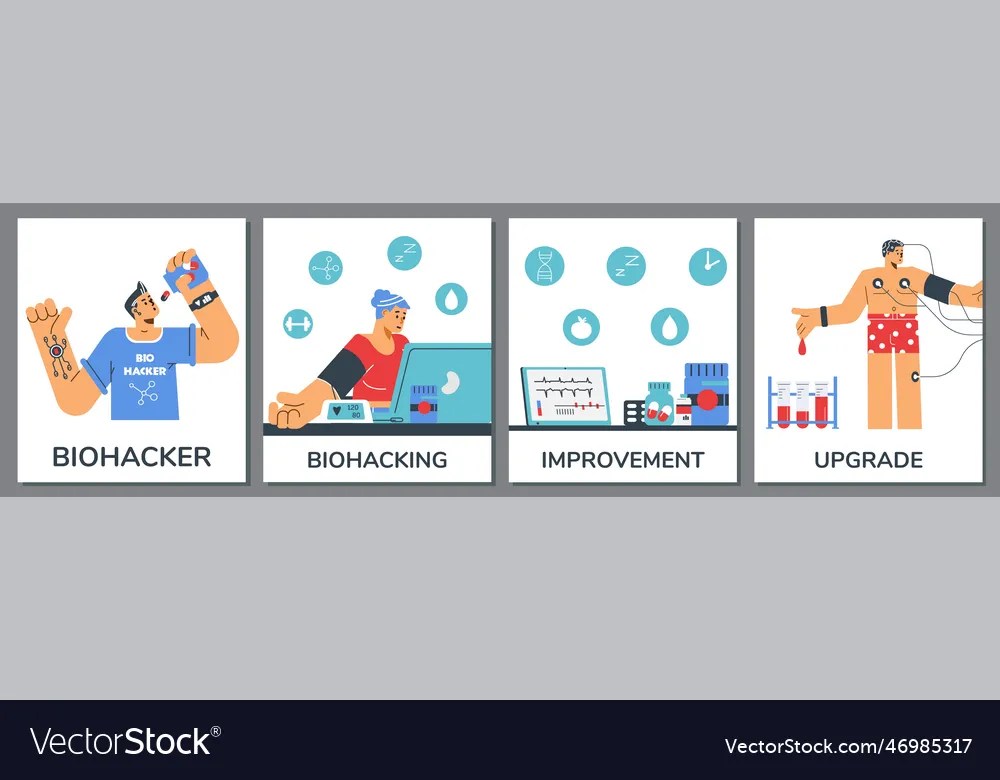
Welcome to the future of self-optimization. Biohacking lifestyle trends are no longer niche experiments for Silicon Valley elites—they’re mainstream, accessible, and transforming how we live, work, and age. From wearable tech to genetic tweaks, this is your ultimate guide to the science-backed revolution happening inside our bodies.
Biohacking Lifestyle Trends: Defining the Movement

Biohacking, at its core, is the practice of using science, technology, and self-experimentation to upgrade human performance, health, and longevity. It’s not about waiting for medicine to fix us—it’s about taking control. The term ‘biohacking’ first gained traction in the early 2000s, but today’s biohacking lifestyle trends are more sophisticated, data-driven, and personalized than ever before.
What Exactly Is Biohacking?
Biohacking refers to any practice that allows individuals to take agency over their biology. This can range from simple dietary changes to advanced genetic editing. The key differentiator from traditional health practices is the emphasis on self-tracking, experimentation, and optimization beyond ‘normal’ health.
- Nutrigenomics: Eating based on your DNA
- Digital tracking: Using wearables to monitor vitals in real time
- DIY biology: Citizen scientists modifying organisms in home labs
According to a 2020 study published in Frontiers in Bioengineering and Biotechnology, biohacking spans three main categories: nutrigenomics, digital health, and DIY biology. While the latter remains controversial, the first two are rapidly entering mainstream wellness culture.
The Evolution of Biohacking Lifestyle Trends
What started as a fringe movement among tech entrepreneurs and futurists has evolved into a global phenomenon. Early adopters like Dave Asprey, founder of Bulletproof, popularized high-fat diets and brain-boosting supplements. Today, biohacking lifestyle trends are democratized through affordable wearables, AI-powered health apps, and community-driven platforms like Quantified Self.
The shift from ‘hacking for survival’ to ‘hacking for peak performance’ marks a cultural pivot. People aren’t just trying to avoid disease—they’re striving for superhuman energy, focus, and resilience. This evolution reflects broader societal trends: longer lifespans, increased health literacy, and a growing distrust in one-size-fits-all medicine.
“Biohacking is the democratization of biology. It’s about giving people the tools to understand and improve their own bodies.” — Dr. Jennifer Raff, genetic anthropologist
Top Biohacking Lifestyle Trends in 2024
The year 2024 has seen an explosion of innovation in personal health optimization. These biohacking lifestyle trends are not just fleeting fads—they’re grounded in emerging science and supported by real-world results from thousands of self-trackers.
Wearable Tech and Real-Time Biometrics
Wearables like the Oura Ring, WHOOP, and Garmin have become essential tools for biohackers. These devices track heart rate variability (HRV), sleep stages, body temperature, and even blood oxygen levels.
- HRV is a key marker of autonomic nervous system balance
- Continuous glucose monitors (CGMs) help optimize diet in real time
- Advanced sleep tracking identifies circadian disruptions
A 2023 report by Grand View Research found the global wearable market will exceed $118 billion by 2030, driven largely by demand for health optimization tools. For biohackers, wearables aren’t just gadgets—they’re diagnostic instruments.
Nootropics and Cognitive Enhancement
Nootropics, or ‘smart drugs,’ are substances that enhance cognitive function. They range from natural compounds like lion’s mane mushroom and L-theanine to synthetic drugs like modafinil. The global nootropics market is projected to reach $14.4 billion by 2030 (MarketsandMarkets, 2023).
Popular nootropics in biohacking lifestyle trends include:
- Racetams (e.g., piracetam): Improve memory and learning
- Adaptogens (e.g., ashwagandha, rhodiola): Reduce stress and fatigue
- Choline sources (e.g., Alpha-GPC): Support neurotransmitter production
While some nootropics are well-studied, others lack robust clinical evidence. Biohackers often use them in stacks—custom combinations tailored to specific goals like focus, creativity, or calm alertness.
Intermittent Fasting and Time-Restricted Eating
One of the most accessible and scientifically supported biohacking lifestyle trends is intermittent fasting (IF). By restricting eating to specific windows (e.g., 16:8 or 5:2), individuals trigger autophagy—a cellular cleanup process linked to longevity and disease prevention.
Studies show IF can improve insulin sensitivity, reduce inflammation, and support weight loss (NEJM, 2019). Biohackers often pair IF with CGMs to see how different fasting protocols affect their blood sugar levels.
- 16:8 method: Fast for 16 hours, eat within 8
- One Meal a Day (OMAD): Extreme form of time restriction
- Alternate-day fasting: Cycle between fasting and normal eating days
The flexibility of IF makes it a cornerstone of modern biohacking, especially when combined with personalized data from wearables.
Genetic Testing and Personalized Health
One of the most revolutionary aspects of biohacking lifestyle trends is the ability to decode your DNA and use that information to make precise health decisions. Companies like 23andMe and Navigenics have made genetic testing affordable and user-friendly.
How DNA Testing Fuels Biohacking
Genetic testing reveals predispositions to certain conditions (e.g., MTHFR mutations affecting folate metabolism) and can guide decisions about diet, exercise, and supplementation. For example, someone with a slow caffeine metabolism gene (CYP1A2) might choose to avoid coffee to reduce cardiovascular risk.
Biohackers use this data to create hyper-personalized health plans. Instead of guessing what works, they use genetic insights to eliminate trial and error. This is the essence of nutrigenomics—the intersection of nutrition and genetics.
CRISPR and the Future of DIY Gene Editing
While still in its infancy for consumer use, CRISPR gene-editing technology is a frontier in biohacking lifestyle trends. DIY biohackers have already experimented with self-injection of CRISPR kits to enhance muscle growth or fight viruses.
In 2017, biohacker Josiah Zayner famously live-streamed himself injecting CRISPR into his arm to disable the myostatin gene, aiming for increased muscle mass. While the scientific community criticized the stunt as reckless, it highlighted the growing desire for direct biological control.
Regulatory bodies like the FDA remain cautious, but the democratization of gene editing tools is inevitable. The future may see CRISPR used for everything from preventing hereditary diseases to enhancing physical traits.
biohacking lifestyle trends – Biohacking lifestyle trends menjadi aspek penting yang dibahas di sini.
“We’re entering an era where your genome isn’t your fate—it’s your blueprint for optimization.” — Dr. George Church, Harvard geneticist
Red Light Therapy and Photobiomodulation
Red light therapy (RLT) is one of the fastest-growing biohacking lifestyle trends, backed by over 3,000 studies. Also known as photobiomodulation, RLT uses specific wavelengths of red and near-infrared light to stimulate cellular energy production.
How Red Light Therapy Works
RLT works by penetrating the skin and stimulating mitochondria—the powerhouses of cells. This boosts ATP (adenosine triphosphate) production, reduces oxidative stress, and promotes tissue repair. Devices range from handheld wands to full-body panels.
- Wavelengths between 630–850 nm are most effective
- Treatment sessions typically last 5–20 minutes
- Used for skin rejuvenation, muscle recovery, and brain health
A 2021 meta-analysis in Lasers in Medical Science found RLT significantly improved wound healing, reduced joint pain, and enhanced cognitive function in patients with traumatic brain injury.
Home Devices vs. Clinical Systems
While clinics offer high-powered RLT systems, consumer devices from brands like Joovv and Mito Red Light bring the technology into homes. These devices are FDA-cleared for pain relief and muscle recovery.
Key considerations when choosing a device:
- Power density (mW/cm²): Higher = deeper penetration
- Spectral purity: Avoid devices with excessive heat or blue light
- Treatment area: Full-body panels vs. targeted devices
For biohackers, RLT is a non-invasive way to enhance recovery, sleep, and even testosterone levels.
Sleep Optimization: The Biohacker’s Secret Weapon
If there’s one area where biohacking lifestyle trends deliver consistent results, it’s sleep. Poor sleep undermines every other health effort, while optimized sleep enhances cognition, mood, and physical performance.
Advanced Sleep Tracking and Analysis
Modern biohackers don’t just track sleep duration—they analyze sleep architecture. Devices like the Oura Ring and WHOOP provide detailed breakdowns of light, deep, and REM sleep, along with readiness scores based on HRV and body temperature.
These metrics allow users to experiment with variables like room temperature, bedtime routines, and pre-sleep nutrition to improve sleep quality. For example, a biohacker might discover that magnesium glycinate increases their deep sleep by 15%.
Sleep Hacks and Environmental Tweaks
Beyond tracking, biohackers employ a range of strategies to optimize sleep:
- Blue light blocking glasses after sunset
- Cooling mattresses to lower core body temperature
- Binaural beats for faster sleep onset
- Supplements like apigenin, theanine, and low-dose melatonin
A 2022 study in Scientific Reports found that combining blue light avoidance with evening supplementation improved sleep efficiency by 23% in participants.
“Sleep is the foundation of all human performance. You can’t out-supplement, out-exercise, or out-hack poor sleep.” — Matthew Walker, author of ‘Why We Sleep’
Microdosing and Psychedelic Biohacking
One of the most controversial yet rapidly growing biohacking lifestyle trends is microdosing psychedelics. This involves taking sub-perceptual doses of substances like LSD or psilocybin to enhance creativity, focus, and emotional resilience.
What Is Microdosing?
Microdosing typically involves 1/10 to 1/20 of a recreational dose, taken every few days. Users report improved mood, reduced anxiety, and enhanced problem-solving abilities—without hallucinogenic effects.
A 2020 study published in Journal of Psychopharmacology found that microdosers reported significant improvements in mental health and cognitive flexibility, though placebo effects could not be ruled out.
Legal and Safety Considerations
Despite growing interest, most psychedelics remain illegal in many countries. However, jurisdictions like Oregon and Canada have begun legalizing supervised psychedelic therapy. Some biohackers turn to legal alternatives like lion’s mane mushroom or low-dose CBD for similar neuroplasticity benefits.
Risks include:
- Potential for increased anxiety or paranoia
- Unknown long-term effects
- Legal repercussions in restricted regions
As research progresses, microdosing may transition from underground practice to clinically validated therapy.
The Ethics and Risks of Biohacking Lifestyle Trends
While biohacking offers incredible potential, it also raises serious ethical and safety concerns. The DIY nature of many practices means users often operate outside medical supervision, increasing the risk of harm.
Self-Experimentation vs. Medical Oversight
Many biohackers pride themselves on being their own scientists. However, self-experimentation without proper controls can lead to misinterpretation of data or dangerous interventions. For example, overuse of nootropics can lead to neurotransmitter imbalances.
Medical professionals caution against unregulated use of substances like peptides or gene editors. The line between innovation and recklessness is thin.
Data Privacy and Genetic Vulnerability
Genetic testing companies collect vast amounts of sensitive data. While most have privacy policies, breaches are possible. In 2018, the arrest of the Golden State Killer using public DNA databases raised alarms about genetic surveillance.
biohacking lifestyle trends – Biohacking lifestyle trends menjadi aspek penting yang dibahas di sini.
Biohackers must consider: Who owns your data? Could insurers or employers discriminate based on your genetic risks? These questions are becoming more urgent as biohacking lifestyle trends go mainstream.
“Just because you can hack your biology doesn’t mean you should—without understanding the consequences.” — Dr. Erika Dyck, medical historian
How to Start Your Biohacking Journey Safely
Entering the world of biohacking doesn’t require a lab or a six-figure budget. With the right approach, anyone can begin optimizing their health using evidence-based strategies.
Begin with the Basics
Start with low-risk, high-impact practices:
- Track your sleep and activity with a wearable
- Experiment with intermittent fasting
- Improve sleep hygiene (dark, cool room; no screens before bed)
- Use a food diary or CGM to understand blood sugar responses
These foundational habits provide data and insights that make advanced biohacking more effective.
Invest in Reliable Tools
Not all biohacking gadgets are created equal. Prioritize FDA-cleared or clinically validated devices. Look for third-party testing and transparent research behind products.
- Oura Ring: Best for sleep and recovery tracking
- Levels: CGM-based metabolic health platform
- Joovv: High-quality red light therapy
- WHOOP: Elite recovery and strain monitoring
Avoid gimmicks. If a product promises ‘instant results’ or sounds too good to be true, it probably is.
Consult Professionals
Work with functional medicine doctors, nutritionists, or coaches familiar with biohacking. They can help interpret data, avoid pitfalls, and ensure safety—especially when using supplements or advanced protocols.
Integrative health clinics are increasingly offering biohacking services, blending cutting-edge tech with medical expertise.
What are the safest biohacking lifestyle trends for beginners?
Beginners should focus on non-invasive, evidence-based practices like intermittent fasting, sleep optimization, and using wearables to track biometrics. These methods have strong scientific support and minimal risk when done correctly.
Are nootropics safe for long-term use?
Some nootropics, like caffeine and L-theanine, are well-studied and safe for long-term use. Others, especially synthetic compounds, lack long-term safety data. Always research ingredients, start with low doses, and consult a healthcare provider.
Can biohacking extend human lifespan?
While no method guarantees immortality, biohacking lifestyle trends like fasting, exercise, and stress reduction are linked to increased healthspan—the period of life spent in good health. Emerging research in senolytics and NAD+ boosters suggests potential for lifespan extension, but human data is still limited.
Is genetic biohacking legal?
Testing your DNA is legal in most countries. However, self-administered gene editing (e.g., CRISPR injections) is largely unregulated and considered illegal or unethical by many governments and medical boards.
How much does biohacking cost?
Costs vary widely. Basic biohacking (fasting, sleep tracking) can be free. Advanced setups with wearables, CGMs, and red light therapy can exceed $2,000. However, many tools are becoming more affordable as technology scales.
Biohacking lifestyle trends represent a powerful shift in how we approach health. From wearable tech to genetic insights, these practices empower individuals to take control of their biology. While risks exist, especially with unregulated methods, the potential for improved performance, longevity, and well-being is undeniable. The key is to start safely, use data wisely, and stay grounded in science. The future of health isn’t just in doctors’ offices—it’s in your hands.
biohacking lifestyle trends – Biohacking lifestyle trends menjadi aspek penting yang dibahas di sini.
Further Reading: