
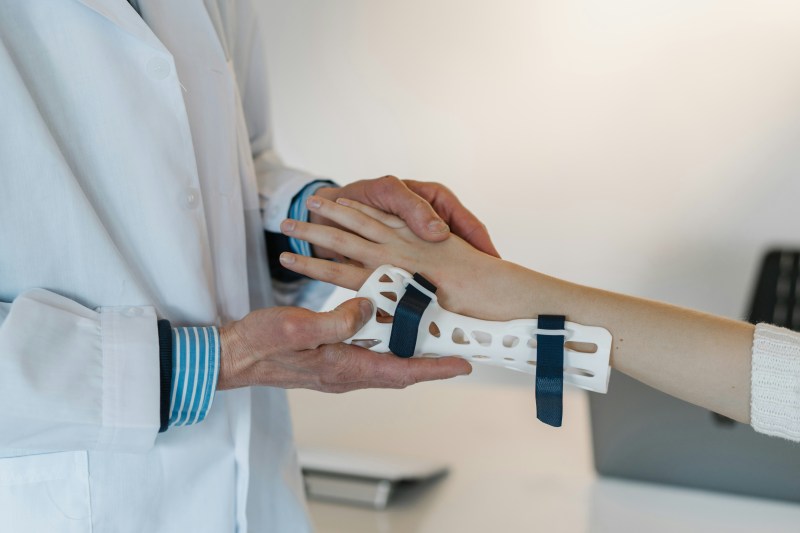
Imagine a specialty clinic where no patient misses an appointment, staff aren’t bogged down by phone calls, and schedules run like clockwork. That’s the power of patient scheduling software for specialty clinics with automated appointment reminders—transforming chaos into calm, one automated text at a time.
Why Patient Scheduling Software for Specialty Clinics with Automated Appointment Reminders Is a Game-Changer

Specialty clinics—whether dermatology, orthopedics, cardiology, or neurology—face unique scheduling challenges. Unlike general practitioners, they often deal with longer appointment durations, complex treatment plans, and patients who require follow-ups across multiple specialists. Traditional scheduling methods simply can’t keep up. Enter patient scheduling software for specialty clinics with automated appointment reminders: a modern solution designed to streamline operations, reduce no-shows, and enhance patient satisfaction.
Unique Challenges in Specialty Clinic Scheduling
Specialty clinics operate under a different set of demands compared to primary care. These include:
- Longer appointment times: Procedures like infusions, diagnostics, or post-op check-ups require extended time blocks, making efficient scheduling critical.
- Multi-provider coordination: Patients often need to see several specialists within the same practice, requiring synchronized calendars.
- High-value appointments: Missed visits in specialties like oncology or fertility can delay critical treatments and impact outcomes.
- Insurance and pre-authorization complexity: Scheduling must align with insurance requirements and prior approvals, adding administrative layers.
Without a dedicated system, clinics risk double-booking, overbooking, or leaving valuable time slots unfilled.
How Automation Solves Real-World Problems
Automated appointment reminders—delivered via SMS, email, or voice call—address one of the most costly inefficiencies in healthcare: no-shows. According to a study published in the National Center for Biotechnology Information, automated reminders can reduce no-show rates by up to 50%. For specialty clinics, where each appointment may represent hours of preparation and resource allocation, this is transformative.
“Automated reminders are not just about convenience—they’re a clinical and financial imperative in high-stakes specialties.” — Dr. Elena Martinez, Healthcare Operations Researcher
Top 7 Benefits of Patient Scheduling Software for Specialty Clinics with Automated Appointment Reminders
The right patient scheduling software for specialty clinics with automated appointment reminders doesn’t just fill calendars—it redefines how care is delivered. Below are seven powerful benefits that make this technology indispensable.
1. Drastically Reduces No-Show Rates
No-shows cost the U.S. healthcare system an estimated $150 billion annually. For specialty clinics, where appointments are often spaced weeks apart and involve costly equipment or staff time, a single missed visit can ripple through the schedule.
- Automated SMS reminders sent 48–72 hours in advance increase patient awareness.
- Two-way messaging allows patients to confirm, reschedule, or cancel directly from their phones.
- Customizable reminder timing based on appointment type (e.g., pre-op visits get earlier alerts).
A Health Affairs study found that clinics using automated reminders saw a 32% reduction in no-shows within the first quarter of implementation.
2. Improves Patient Experience and Engagement
Today’s patients expect the same level of digital convenience in healthcare as they do in retail or banking. Patient scheduling software for specialty clinics with automated appointment reminders meets that expectation.
patient scheduling software for specialty clinics with automated appointment reminders – Patient scheduling software for specialty clinics with automated appointment reminders menjadi aspek penting yang dibahas di sini.
- Patients can book, reschedule, or receive reminders 24/7 via mobile-friendly portals.
- Personalized communication (e.g., using the patient’s name and provider details) builds trust.
- Pre-visit instructions (e.g., fasting requirements, medication adjustments) can be included in reminders.
This level of engagement fosters loyalty and reduces anxiety—especially important for patients managing chronic or serious conditions.
3. Increases Operational Efficiency and Staff Productivity
Front desk staff in specialty clinics often spend hours each day calling patients to confirm appointments. Automating this process frees up valuable time.
- Staff can focus on higher-value tasks like patient intake, insurance verification, or care coordination.
- Reduced phone tag means fewer interruptions and less administrative fatigue.
- Integrated software reduces data entry errors and duplicate records.
One orthopedic clinic reported a 40% reduction in administrative workload after implementing automated scheduling and reminders.
4. Enhances Revenue Cycle Management
Every missed appointment represents lost revenue. But beyond that, inefficient scheduling can lead to underutilized provider time and delayed billing.
- Fewer no-shows mean more billable visits per day.
- Automated reminders can include co-pay or balance due information, improving collections.
- Real-time calendar updates prevent revenue leakage from double-booked or unfilled slots.
According to McKinsey & Company, clinics that digitize scheduling see a 15–20% increase in revenue per provider within six months.
5. Supports Multi-Location and Multi-Specialty Coordination
Many specialty clinics operate across multiple locations or house several subspecialties under one roof. Coordinating schedules manually is a logistical nightmare.
- Cloud-based patient scheduling software for specialty clinics with automated appointment reminders allows real-time access across locations.
- Administrators can view provider availability, room utilization, and equipment schedules in one dashboard.
- Patients can seamlessly switch locations or providers without losing appointment history.
This is especially valuable for integrated practices like multi-specialty oncology centers or academic medical clinics.
6. Integrates with EHR and Practice Management Systems
Standalone scheduling tools create data silos. The best patient scheduling software for specialty clinics with automated appointment reminders integrates directly with Electronic Health Records (EHR) and practice management platforms.
- Automatic syncing of patient demographics, insurance, and visit history.
- Appointment data flows directly into billing and coding workflows.
- Reduced risk of HIPAA violations through encrypted, compliant communication channels.
Popular integrations include Epic, Cerner, Athenahealth, and NextGen, ensuring seamless interoperability.
patient scheduling software for specialty clinics with automated appointment reminders – Patient scheduling software for specialty clinics with automated appointment reminders menjadi aspek penting yang dibahas di sini.
7. Provides Data-Driven Insights for Continuous Improvement
Modern scheduling software doesn’t just manage appointments—it analyzes them. Built-in analytics help clinics identify trends and optimize operations.
- Track no-show rates by provider, location, or appointment type.
- Identify peak booking times and adjust staffing accordingly.
- Measure patient response rates to different reminder types (SMS vs. email).
These insights empower clinic leaders to make informed decisions about resource allocation, marketing, and patient outreach strategies.
Key Features to Look for in Patient Scheduling Software for Specialty Clinics with Automated Appointment Reminders
Not all scheduling software is created equal. Specialty clinics need robust, customizable tools that address their unique workflows. Here are the essential features to prioritize.
Customizable Appointment Types and Durations
Unlike general clinics, specialty practices have diverse appointment types—consultations, procedures, follow-ups, and diagnostic sessions—each requiring different time blocks.
- Ability to define custom appointment lengths (e.g., 30 mins for consults, 90 mins for infusions).
- Color-coded calendar views for easy identification of appointment types.
- Buffer times between appointments to prevent overruns.
This flexibility ensures accurate scheduling and prevents provider burnout from back-to-back overbooked days.
Automated, Multi-Channel Reminders
Patients have different communication preferences. The best systems offer reminders via SMS, email, and voice calls.
- SMS has the highest open rate (over 90%) and is ideal for time-sensitive alerts.
- Email reminders can include detailed instructions, maps, and forms.
- Voice calls are useful for elderly or tech-averse patients.
Advanced systems allow clinics to set reminder sequences—e.g., a text 72 hours out, an email 24 hours prior, and a voice call the morning of.
Two-Way Communication and Self-Service Options
True automation isn’t just about sending messages—it’s about enabling interaction.
- Patients can reply to a text to confirm, reschedule, or cancel.
- Self-service portals allow patients to book appointments online, reducing front-desk calls.
- Automated waitlist management fills cancellations instantly.
This level of interactivity reduces administrative burden and improves patient satisfaction.
patient scheduling software for specialty clinics with automated appointment reminders – Patient scheduling software for specialty clinics with automated appointment reminders menjadi aspek penting yang dibahas di sini.
Provider and Room Scheduling Sync
In specialties like surgery or radiology, both provider availability and room/equipment access must align.
- Visual scheduling boards show provider, room, and equipment availability.
- Conflict detection prevents double-booking of resources.
- Automated notifications when a room becomes available due to a cancellation.
This feature is critical for maximizing throughput in high-demand specialties.
Compliance and Security Features
Healthcare data is sensitive. Any patient scheduling software for specialty clinics with automated appointment reminders must comply with HIPAA and other regulations.
- End-to-end encryption for all communications.
- Audit trails for message delivery and patient interactions.
- BAA (Business Associate Agreement) compliance with the software vendor.
Always verify that the provider undergoes regular security audits and SOC 2 certification.
How Automated Appointment Reminders Improve Patient Outcomes
It’s not just about efficiency—automated reminders have a direct impact on patient health. Consistent attendance leads to better disease management, earlier interventions, and improved long-term outcomes.
Chronic Disease Management
Patients with conditions like diabetes, hypertension, or autoimmune disorders require regular monitoring. Missed appointments can lead to complications.
- Automated reminders ensure patients don’t forget routine labs or medication reviews.
- Reminders can include educational content (e.g., “Your HbA1c test is scheduled—remember to fast for 8 hours”).
- Consistent follow-ups improve medication adherence and lifestyle modifications.
A study in JAMA Internal Medicine found that automated outreach improved appointment adherence in diabetic patients by 27%.
Pre- and Post-Operative Care
In surgical specialties, pre-op appointments are critical for risk assessment, and post-op visits ensure proper healing.
- Pre-op reminders include checklists (e.g., “Stop blood thinners 5 days before surgery”).
- Post-op reminders prompt wound checks, physical therapy, or imaging.
- Automated surveys after visits can flag complications early.
This continuity of care reduces readmissions and improves surgical outcomes.
patient scheduling software for specialty clinics with automated appointment reminders – Patient scheduling software for specialty clinics with automated appointment reminders menjadi aspek penting yang dibahas di sini.
Mental Health and Behavioral Specialties
Patients in psychiatry or addiction treatment may face stigma or motivation challenges. Automated, non-judgmental reminders can reduce barriers.
- Reminders can be worded sensitively to encourage attendance.
- Text-based outreach feels less intrusive than phone calls.
- Integration with telehealth platforms allows seamless virtual visits.
One behavioral health clinic reported a 45% increase in session attendance after switching to automated reminders.
Implementation Strategies for Patient Scheduling Software for Specialty Clinics with Automated Appointment Reminders
Choosing the right software is only half the battle. Successful implementation requires planning, training, and change management.
Assess Your Clinic’s Needs and Workflow
Before selecting a vendor, conduct a workflow audit.
- Map out current scheduling processes from booking to check-out.
- Identify pain points (e.g., high no-show rates, double-booking).
- Engage providers, front desk staff, and billing teams in the evaluation process.
This ensures the new system aligns with real-world operations.
Choose the Right Vendor and Plan for Integration
Look for vendors with experience in specialty care. Ask about:
- EHR integration capabilities.
- Implementation timelines and support.
- Customization options for appointment types and reminders.
Popular platforms include Solutionreach, Luma Health, Zocdoc, and Phreesia—all offering robust patient scheduling software for specialty clinics with automated appointment reminders.
Train Staff and Onboard Patients
Even the best software fails without user adoption.
- Provide hands-on training for staff on scheduling, reminders, and reporting.
- Launch a patient communication campaign explaining the new system.
- Offer opt-in options for reminders and educate patients on self-service features.
Start with a pilot group of providers before rolling out clinic-wide.
patient scheduling software for specialty clinics with automated appointment reminders – Patient scheduling software for specialty clinics with automated appointment reminders menjadi aspek penting yang dibahas di sini.
Monitor Performance and Optimize
After launch, track key metrics:
- No-show and cancellation rates.
- Staff time saved on scheduling tasks.
- Patient satisfaction scores (via surveys).
Use this data to refine reminder timing, messaging, and workflow integration.
Real-World Case Studies: Specialty Clinics That Transformed with Automation
Theoretical benefits are compelling, but real-world results are convincing. Here are two examples of specialty clinics that achieved remarkable outcomes.
Case Study 1: Oncology Clinic Reduces No-Shows by 48%
A mid-sized oncology practice in Texas struggled with a 30% no-show rate for chemotherapy infusions. Each missed appointment disrupted the schedule and wasted costly drugs.
Solution: Implemented patient scheduling software for specialty clinics with automated appointment reminders, including SMS and voice reminders 72 and 24 hours before visits.
Results:
- No-show rate dropped to 15.6% within three months.
- Staff saved 15 hours per week on phone calls.
- Patient satisfaction scores increased by 34%.
The clinic reinvested time savings into patient navigation services, further improving care coordination.
Case Study 2: Fertility Clinic Boosts Cycle Completion Rates
A fertility clinic in California noticed that patients often missed critical monitoring appointments during IVF cycles, leading to cycle cancellations.
Solution: Deployed a scheduling system with automated, multi-channel reminders and integrated patient portals for self-scheduling.
patient scheduling software for specialty clinics with automated appointment reminders – Patient scheduling software for specialty clinics with automated appointment reminders menjadi aspek penting yang dibahas di sini.
Results:
- Appointment adherence improved by 52%.
- Cycle completion rates increased by 28%.
- Online booking accounted for 60% of new appointments.
Patients reported feeling more supported and in control of their treatment journey.
Future Trends in Patient Scheduling Software for Specialty Clinics with Automated Appointment Reminders
The evolution of scheduling technology is far from over. Emerging trends are set to make these systems even more intelligent and patient-centric.
AI-Powered Predictive Scheduling
Artificial intelligence can analyze historical data to predict no-show likelihood and optimize scheduling.
- High-risk patients (based on past behavior) receive extra reminders or phone calls.
- AI suggests optimal appointment times based on patient preferences and provider availability.
- Dynamic rescheduling adjusts calendars in real-time when cancellations occur.
This proactive approach minimizes gaps and maximizes efficiency.
Integration with Wearables and Remote Monitoring
As telehealth and remote patient monitoring grow, scheduling software will sync with wearable devices.
- Abnormal vitals from a smartwatch could trigger an automated appointment request.
- Post-op recovery data could prompt a follow-up visit if healing is delayed.
- Seamless integration with RPM platforms ensures timely interventions.
This creates a closed-loop system where data drives care delivery.
Voice-Activated and Chatbot Scheduling
Patients increasingly expect conversational interfaces.
- Chatbots on clinic websites can book appointments 24/7 using natural language.
- Voice assistants (e.g., Alexa, Google Assistant) could allow patients to check their next appointment.
- AI-driven triage bots can route patients to the right provider based on symptoms.
These tools enhance accessibility, especially for elderly or disabled patients.
patient scheduling software for specialty clinics with automated appointment reminders – Patient scheduling software for specialty clinics with automated appointment reminders menjadi aspek penting yang dibahas di sini.
What are the biggest challenges specialty clinics face with appointment scheduling?
Specialty clinics often deal with longer appointment durations, complex treatment plans, multi-provider coordination, and high no-show rates. Manual scheduling leads to double-booking, underutilized time slots, and administrative overload. Patient scheduling software for specialty clinics with automated appointment reminders addresses these by streamlining workflows, reducing no-shows, and improving coordination.
How do automated appointment reminders reduce no-shows?
Automated reminders—via SMS, email, or voice calls—keep patients informed and engaged. Studies show they can reduce no-show rates by up to 50%. Two-way messaging allows patients to confirm or reschedule, increasing accountability and reducing last-minute cancellations.
Can this software integrate with existing EHR systems?
Yes, leading patient scheduling software for specialty clinics with automated appointment reminders integrates seamlessly with major EHR platforms like Epic, Cerner, and Athenahealth. This ensures data consistency, reduces manual entry, and supports HIPAA-compliant communication.
Is patient data secure with automated scheduling systems?
Reputable endors comply with HIPAA and offer end-to-end encryption, audit trails, and BAAs. Always verify the provider’s security certifications (e.g., SOC 2) before implementation.
What’s the ROI of implementing this software?
patient scheduling software for specialty clinics with automated appointment reminders – Patient scheduling software for specialty clinics with automated appointment reminders menjadi aspek penting yang dibahas di sini.
Clinics typically see a return on investment within 3–6 months through reduced no-shows, increased billable visits, and staff efficiency. One study found a 15–20% revenue increase per provider after digitizing scheduling.
Investing in patient scheduling software for specialty clinics with automated appointment reminders isn’t just a technological upgrade—it’s a strategic move toward better patient outcomes, operational excellence, and financial sustainability. From reducing no-shows to enhancing engagement and enabling data-driven decisions, the benefits are clear and measurable. As healthcare continues to evolve, clinics that embrace automation will lead the way in delivering efficient, compassionate, and high-quality care. The future of specialty care is not just digital—it’s intelligent, proactive, and patient-centered.
Further Reading: