
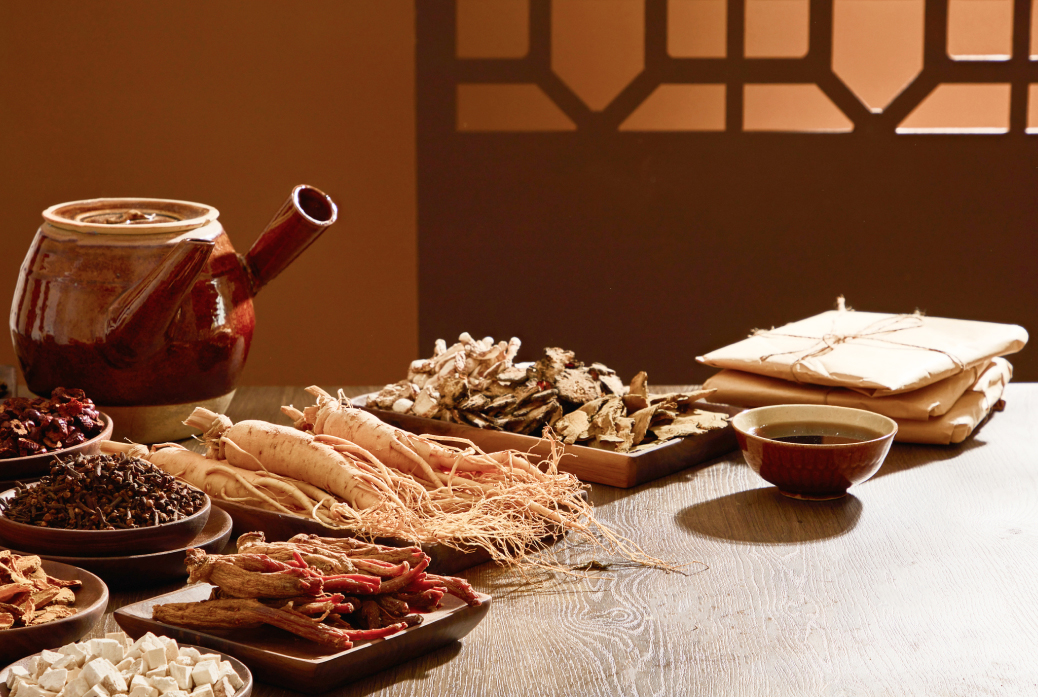
For centuries, traditional herbal medicine has been the cornerstone of healing across cultures. From ancient Chinese remedies to Indigenous plant wisdom, nature’s pharmacy offers profound solutions—backed by both tradition and science.
What Is Traditional Herbal Medicine?

Traditional herbal medicine refers to the use of plant-based substances for therapeutic purposes, passed down through generations in various cultures. It’s more than just using herbs—it’s a holistic system of healing rooted in observation, experience, and deep cultural knowledge.
Historical Roots Across Civilizations
Every major civilization has developed its own form of herbal healing. The Sumerians recorded medicinal plants on clay tablets over 5,000 years ago, while ancient Egyptians used garlic and juniper in their remedies. In India, Ayurveda has utilized turmeric, ashwagandha, and neem for millennia. Meanwhile, Traditional Chinese Medicine (TCM) has long relied on ginseng, astragalus, and goji berries.
- Ancient Mesopotamia: One of the earliest documented uses of herbs.
- Classical Greece: Hippocrates, the ‘Father of Medicine,’ prescribed willow bark—later the basis for aspirin.
- African Traditions: Used rooibos, devil’s claw, and African potato for immune and inflammatory conditions.
These systems weren’t isolated—they often influenced one another through trade and migration, creating a global tapestry of herbal knowledge. The World Health Organization estimates that up to 80% of people in developing countries still rely on traditional medicine, primarily herbal, for primary healthcare.
Core Principles of Herbal Healing
Unlike modern pharmaceuticals that often isolate a single active compound, traditional herbal medicine emphasizes synergy—the idea that the whole plant works better than its isolated parts. This is known as the ‘entourage effect.’
- Balance and Harmony: Healing is about restoring equilibrium in the body, not just eliminating symptoms.
- Individualized Treatment: Herbs are prescribed based on a person’s constitution, lifestyle, and environment.
- Prevention Over Cure: Many systems focus on strengthening the body before illness occurs.
“Nature itself is the best physician.” — Hippocrates
This philosophy underpins systems like Ayurveda and TCM, where diagnosis involves pulse reading, tongue examination, and energy flow (qi or prana). The goal is not merely to treat disease but to promote longevity and vitality.
Traditional Herbal Medicine in Modern Healthcare
While often viewed skeptically in Western medicine, traditional herbal medicine is increasingly being validated by scientific research. Many modern drugs have their origins in plant compounds, proving that ancient wisdom can inform contemporary science.
traditional herbal medicine – Traditional herbal medicine menjadi aspek penting yang dibahas di sini.
Integration with Conventional Medicine
In countries like China and Germany, herbal medicine is integrated into national healthcare systems. In China, hospitals often have TCM departments alongside Western medical units. Germany’s Commission E, a government agency, has approved hundreds of herbal medicines for clinical use.
- St. John’s Wort: Used for mild to moderate depression, supported by multiple clinical trials.
- Peppermint Oil: Effective for irritable bowel syndrome (IBS), recognized by the American College of Gastroenterology.
- Artemisinin: Derived from sweet wormwood, this compound—used in traditional Chinese medicine—won the Nobel Prize in 2015 for malaria treatment.
The integration isn’t without challenges. Standardization, dosage control, and herb-drug interactions remain concerns. However, institutions like the National Center for Complementary and Integrative Health (NCCIH) in the U.S. are funding research to bridge the gap between tradition and evidence-based practice.
Global Acceptance and Regulation
The global herbal medicine market is projected to exceed $120 billion by 2027, according to Grand View Research. This growth reflects rising consumer interest in natural, sustainable healthcare options.
- European Union: Requires herbal products to meet safety, efficacy, and quality standards under the Traditional Herbal Medicinal Products Directive.
- United States: Regulated as dietary supplements under the Dietary Supplement Health and Education Act (DSHEA), though this allows for less stringent oversight.
- India: The AYUSH Ministry promotes Ayurveda, Yoga, Unani, Siddha, and Homeopathy, including strict quality control for herbal formulations.
Despite regulatory differences, the trend is clear: traditional herbal medicine is gaining legitimacy in mainstream healthcare, especially as antibiotic resistance and chronic diseases rise.
Top 7 Herbs in Traditional Herbal Medicine
While thousands of plants are used medicinally, a few stand out for their widespread use, historical significance, and scientific backing. These herbs form the backbone of many traditional systems and are now gaining global recognition.
1. Turmeric (Curcuma longa)
Known as the ‘golden spice,’ turmeric has been used in Ayurveda for over 4,000 years. Its active compound, curcumin, is a potent anti-inflammatory and antioxidant.
- Used for: Arthritis, digestive disorders, wound healing, and liver support.
- Scientific Support: Over 12,000 studies on curcumin, showing potential in cancer prevention, Alzheimer’s, and metabolic syndrome.
- Caution: Poor bioavailability; best absorbed with black pepper (piperine).
Research published in Advances in Experimental Medicine and Biology highlights curcumin’s role in modulating over 700 pathways in the body. For more, visit this NIH review.
traditional herbal medicine – Traditional herbal medicine menjadi aspek penting yang dibahas di sini.
2. Ginseng (Panax ginseng)
Central to Traditional Chinese Medicine, ginseng is revered as an adaptogen—helping the body resist stress and boost energy.
- Used for: Fatigue, cognitive decline, immune support, and sexual health.
- Types: Asian (Panax) and American ginseng are most common; Siberian ‘ginseng’ (Eleutherococcus) is a different plant.
- Active Compounds: Ginsenosides, which influence hormone regulation and neuroprotection.
A 2018 meta-analysis in Journal of Ginseng Research found that ginseng significantly improved mental performance and reduced cancer risk. However, long-term use may cause insomnia or hypertension in sensitive individuals.
3. Ashwagandha (Withania somnifera)
Known as ‘Indian ginseng,’ ashwagandha is a cornerstone of Ayurvedic medicine, used to combat stress and enhance vitality.
- Used for: Anxiety, adrenal fatigue, thyroid imbalance, and male fertility.
- Scientific Backing: A 2019 study in Cureus showed a 56% reduction in anxiety scores after 6 weeks of supplementation.
- Mechanism: Modulates cortisol levels and supports GABA activity in the brain.
It’s also shown promise in improving muscle mass and reducing blood sugar. Learn more at Healthline’s evidence-based guide.
4. Echinacea (Echinacea purpurea)
Used by Native American tribes for centuries, echinacea is famed for its immune-boosting properties.
- Used for: Preventing and shortening colds and upper respiratory infections.
- Active Components: Alkamides, polysaccharides, and caffeic acid derivatives.
- Research: A Cochrane Review found echinacea may reduce cold risk by 10–20%, though results vary by preparation.
It’s most effective when taken at the first sign of illness. However, those with autoimmune conditions should use it cautiously.
5. Milk Thistle (Silybum marianum)
Used since Greco-Roman times, milk thistle is best known for liver protection.
traditional herbal medicine – Traditional herbal medicine menjadi aspek penting yang dibahas di sini.
- Used for: Liver detoxification, hepatitis, fatty liver disease, and mushroom poisoning.
- Active Compound: Silymarin, a flavonoid complex with antioxidant and anti-fibrotic effects.
- Studies: Clinical trials show improved liver enzymes in patients with alcoholic and non-alcoholic fatty liver disease.
The WebMD entry on milk thistle details its uses and safety profile, noting it’s generally well-tolerated.
6. Holy Basil (Ocimum sanctum)
Also called Tulsi, this sacred herb in India is used for spiritual and physical purification.
- Used for: Stress, inflammation, blood sugar control, and respiratory health.
- Properties: Adaptogenic, antimicrobial, and immunomodulatory.
- Research: A 2017 study in Pharmacognosy Reviews found it effective in reducing cortisol and blood glucose levels.
It’s often consumed as tea and is considered safe for daily use.
7. Ginger (Zingiber officinale)
One of the most widely used spices in traditional herbal medicine, ginger has a long history in Ayurveda, TCM, and Middle Eastern healing.
- Used for: Nausea (including pregnancy and chemotherapy), osteoarthritis, and digestive issues.
- Active Compounds: Gingerols and shogaols, which inhibit inflammatory pathways.
- Evidence: A 2020 review in Nutrients confirmed ginger’s efficacy in reducing muscle pain and menstrual cramps.
It’s also being studied for anti-cancer properties. For a comprehensive overview, see this NIH paper.
Traditional Herbal Medicine Systems Around the World
While herbs are universal, different cultures have developed distinct systems of diagnosis, treatment, and philosophy. These systems represent not just medicine but entire worldviews on health and wellness.
Ayurveda (India)
Ayurveda, meaning ‘science of life,’ dates back over 3,000 years. It classifies individuals into three doshas—Vata, Pitta, and Kapha—and uses herbs to balance these energies.
traditional herbal medicine – Traditional herbal medicine menjadi aspek penting yang dibahas di sini.
- Key Herbs: Triphala (digestive blend), Brahmi (cognitive enhancer), and Shatavari (female tonic).
- Approach: Emphasizes diet, lifestyle, and seasonal routines alongside herbal therapy.
- Modern Use: Ayurvedic clinics in India and integrative centers worldwide offer personalized herbal regimens.
The Ministry of AYUSH regulates standards and promotes research in Ayurvedic medicine.
Traditional Chinese Medicine (TCM)
TCM is based on the flow of qi (energy) through meridians. Illness arises from blockages or imbalances in qi, treated with herbs, acupuncture, and diet.
- Key Herbs: Astragalus (immune tonic), Rehmannia (kidney and adrenal support), and Licorice root (harmonizing agent).
- Formulations: Often use complex formulas with 10–20 herbs to target multiple systems.
- Diagnosis: Includes tongue and pulse analysis, as well as emotional and environmental factors.
TCM has influenced herbal practices in Korea, Japan (Kampo), and Vietnam. The NIH has documented its use in treating chronic pain and autoimmune conditions.
Unani Medicine (Greco-Arabic)
Rooted in Hippocratic and Galenic traditions, Unani medicine flourished in the Islamic Golden Age and is still practiced in South Asia and the Middle East.
- Key Concepts: Four humors (blood, phlegm, yellow bile, black bile) and their balance.
- Herbs Used: Saffron, myrrh, and black seed (Nigella sativa), known for anti-inflammatory and antimicrobial effects.
- Therapies: Include regimental therapy (cupping, massage) alongside herbal prescriptions.
Black seed, in particular, has been called ‘a remedy for every disease except death’ in Islamic tradition. Modern studies support its use in asthma, diabetes, and immune modulation.
Safety and Efficacy of Traditional Herbal Medicine
While natural, herbal remedies are not inherently safe. Their potency, interactions, and quality vary widely. Understanding safety is crucial for responsible use.
Potential Risks and Side Effects
Herbs contain bioactive compounds that can affect the body powerfully. Some common risks include:
traditional herbal medicine – Traditional herbal medicine menjadi aspek penting yang dibahas di sini.
- Herb-Drug Interactions: St. John’s Wort reduces the effectiveness of birth control, anticoagulants, and antidepressants.
- Toxicity: Comfrey and kava have been linked to liver damage and are banned in several countries.
- Contamination: Some products contain heavy metals, pesticides, or adulterants due to poor regulation.
A 2021 study in Frontiers in Pharmacology found that nearly 25% of herbal supplements in the U.S. did not contain the labeled ingredient. Always choose third-party tested brands.
Quality Control and Standardization
Unlike pharmaceuticals, herbal products often lack consistent dosing. Standardization ensures that each batch contains a defined amount of active compounds.
- Markers: For example, ginkgo biloba extracts are standardized to 24% flavone glycosides and 6% terpene lactones.
- Certifications: Look for USP, NSF, or ConsumerLab seals for quality assurance.
- Source Transparency: Reputable companies disclose where herbs are grown and how they’re processed.
The WHO Guidelines on Good Agricultural and Collection Practices (GACP) provide a global framework for sustainable and safe herbal sourcing.
Scientific Research Behind Traditional Herbal Medicine
Modern science is increasingly validating traditional claims. Through clinical trials, phytochemical analysis, and pharmacological studies, researchers are uncovering the mechanisms behind herbal efficacy.
Clinical Trials and Evidence
Randomized controlled trials (RCTs) are the gold standard for evaluating herbal medicine. Some notable successes include:
- Artemisinin: Derived from Artemisia annua, used in TCM for fevers. Nobel Prize-winning discovery for malaria treatment.
- Andrographis: Used in Ayurveda and TCM for infections. RCTs show it reduces cold duration and severity.
- Boswellia: Indian frankincense, effective in osteoarthritis and inflammatory bowel disease.
The Cochrane Collaboration regularly reviews herbal interventions, providing unbiased assessments of their effectiveness.
Phytochemistry and Mechanism of Action
Understanding how herbs work at the molecular level is key to integration with modern medicine.
traditional herbal medicine – Traditional herbal medicine menjadi aspek penting yang dibahas di sini.
- Curcumin: Inhibits NF-kB, a protein complex that drives inflammation.
- Ginsenosides: Modulate the hypothalamic-pituitary-adrenal (HPA) axis, reducing stress response.
- Allicin (from garlic): Has broad-spectrum antimicrobial activity, including against antibiotic-resistant bacteria.
Metabolomics and systems biology are now being used to study the full spectrum of plant compounds and their synergistic effects.
The Future of Traditional Herbal Medicine
As global health challenges evolve, traditional herbal medicine offers sustainable, accessible, and holistic solutions. Its future lies in integration, innovation, and ethical practice.
Sustainable Sourcing and Conservation
Overharvesting threatens many medicinal plants. The IUCN Red List includes over 400 medicinal species at risk.
- At-Risk Herbs: American ginseng, goldenseal, and Himalayan yew (source of paclitaxel).
- Solutions: Cultivation, fair trade practices, and bioprospecting with community consent.
- Certifications: Look for FairWild or Rainforest Alliance labels.
Organizations like PlantLife work to protect medicinal plant biodiversity.
Personalized Herbal Medicine and AI
Advances in genomics and artificial intelligence are paving the way for personalized herbal prescriptions.
- Genetic Testing: Can reveal how individuals metabolize certain herbs (e.g., CYP450 enzymes).
- AI Algorithms: Analyze vast databases of traditional knowledge and clinical outcomes to recommend optimal formulations.
- Wearable Integration: Future apps may suggest herbal teas based on real-time stress or sleep data.
Projects like the HerbMedPro database are already digitizing herbal research for clinical use.
Is traditional herbal medicine safe for everyone?
traditional herbal medicine – Traditional herbal medicine menjadi aspek penting yang dibahas di sini.
No—while many herbs are safe for general use, they can interact with medications, affect pregnancy, or exacerbate certain conditions. Always consult a healthcare provider before starting any herbal regimen, especially if you have chronic illness or are on prescription drugs.
Can herbal medicine cure serious diseases like cancer?
Herbs are not cures for cancer, but some—like turmeric, green tea, and medicinal mushrooms—show promise as supportive therapies. They may help reduce side effects of chemotherapy, boost immunity, or inhibit tumor growth. However, they should never replace conventional oncology treatment.
How do I choose a high-quality herbal supplement?
Look for products with third-party testing (USP, NSF), clear labeling of active compounds, and transparent sourcing. Avoid proprietary blends with undisclosed amounts. Reputable brands often provide batch-specific lab results online.
Are there regulations for herbal products?
Regulations vary by country. In the U.S., herbal supplements are regulated as food, not drugs, under DSHEA. In contrast, the EU requires traditional herbal registration, and India has strict AYUSH guidelines. Always check local regulations and choose compliant products.
traditional herbal medicine – Traditional herbal medicine menjadi aspek penting yang dibahas di sini.
Can I grow my own medicinal herbs at home?
Yes—many common medicinal herbs like mint, basil, echinacea, and calendula can be grown in gardens or pots. Ensure you correctly identify plants and avoid using pesticides. Harvest at peak potency (usually just before flowering) and dry or use fresh as needed.
Traditional herbal medicine is more than a relic of the past—it’s a living, evolving system of healing with profound relevance today. From turmeric’s anti-inflammatory power to ginseng’s energy-boosting effects, nature offers potent tools for wellness. While challenges around safety and standardization remain, scientific validation and global integration are paving the way for a new era of holistic health. By respecting traditional knowledge, ensuring sustainable practices, and embracing innovation, we can harness the full potential of herbal medicine for generations to come.
Further Reading: