
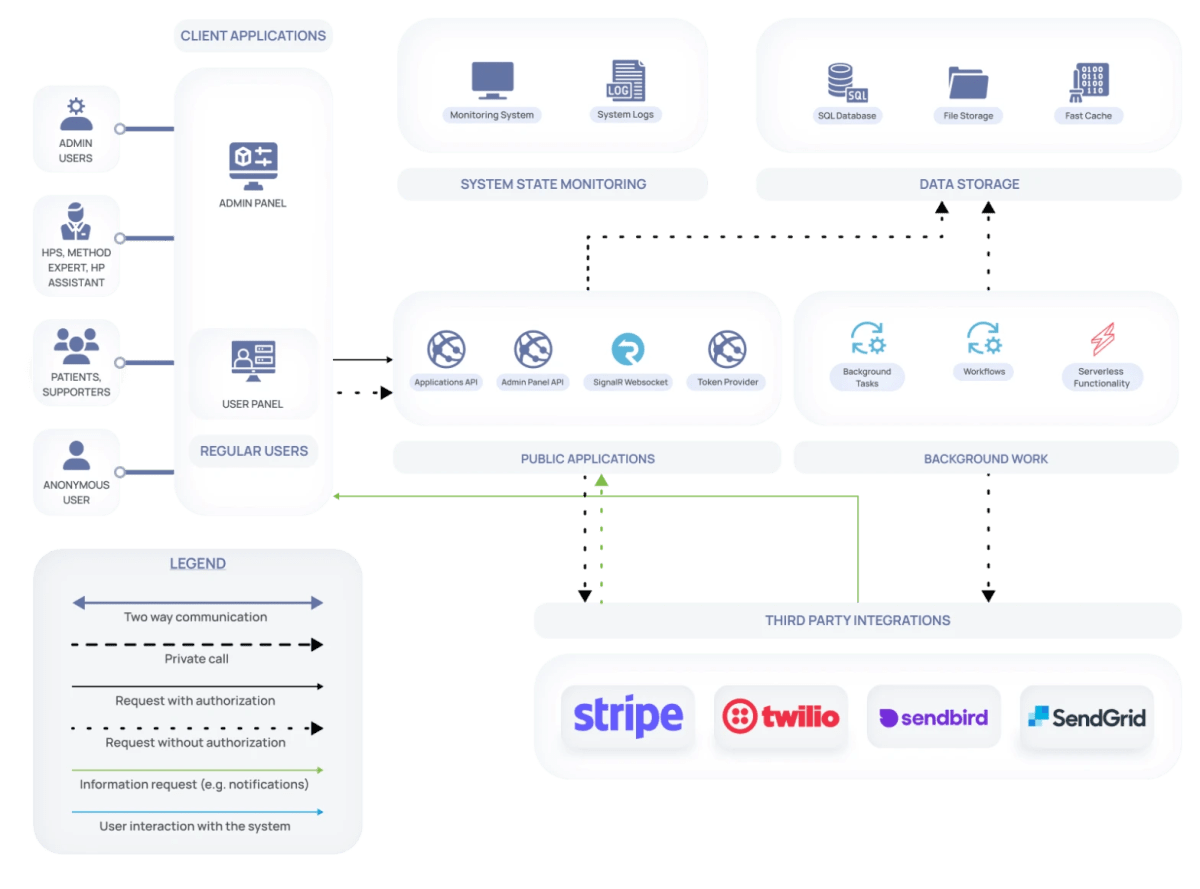
Imagine managing diabetes, hypertension, or asthma without endless clinic visits—just a few clicks and your prescriptions are renewed, monitored, and delivered. That’s the power of a telehealth platform with integrated prescription management for chronic disease patients. Welcome to the future of healthcare.
1. The Rise of Telehealth Platforms for Chronic Disease Management

The global shift toward digital health solutions has been accelerated by both technological innovation and urgent healthcare demands. Chronic diseases—such as diabetes, heart disease, and chronic obstructive pulmonary disease (COPD)—affect over 130 million Americans alone, according to the CDC [1]. Managing these conditions requires consistent monitoring, regular medication, and frequent provider interactions, all of which are time-consuming and often inaccessible for many patients.
A telehealth platform with integrated prescription management for chronic disease patients is emerging as a transformative solution. These platforms combine virtual consultations with seamless medication tracking, refill automation, and real-time health data integration. They are not just convenient—they are life-changing for patients who face mobility issues, live in rural areas, or struggle with the cost and logistics of in-person care.
Why Chronic Disease Patients Need Specialized Platforms
Chronic disease patients differ significantly from those with acute conditions. Their care is long-term, complex, and often involves multiple medications and specialists. Traditional healthcare models struggle to provide the continuity and coordination these patients need.
- Patients require regular medication adjustments based on symptoms and lab results.
- Missed doses or delayed refills can lead to hospitalization.
- Coordination between primary care providers, specialists, and pharmacists is often fragmented.
A telehealth platform with integrated prescription management for chronic disease patients addresses these gaps by centralizing care. It ensures that prescriptions are not only renewed on time but also aligned with the latest clinical data and treatment guidelines.
Key Drivers Behind the Telehealth Surge
The rapid adoption of telehealth is not accidental. Several factors have converged to make this innovation both necessary and inevitable:
Pandemic Acceleration: The COVID-19 pandemic forced healthcare systems worldwide to adopt remote care models almost overnight.According to a McKinsey report, telehealth utilization stabilized at 38 times higher than pre-pandemic levels [2].Chronic Disease Epidemic: With nearly half of all U.S.adults living with at least one chronic condition, scalable solutions are essential.Advancements in AI and Data Integration: Modern platforms use artificial intelligence to predict medication adherence risks and suggest interventions.”Telehealth is no longer a ‘nice-to-have’—it’s a critical component of chronic disease management in the 21st century.” — Dr.Atul Gawande, Healthcare Innovator and Former CEO of Haven Healthcare2.
.Core Features of a Telehealth Platform with Integrated Prescription Management for Chronic Disease PatientsNot all telehealth platforms are created equal.For chronic disease patients, the integration of prescription management is not a luxury—it’s a necessity.A truly effective platform must go beyond video calls and offer a comprehensive ecosystem that supports long-term health management..
telehealth platform with integrated prescription management for chronic disease patients – Telehealth platform with integrated prescription management for chronic disease patients menjadi aspek penting yang dibahas di sini.
Seamless E-Prescribing and Refill Automation
One of the most critical features is the ability to issue, renew, and manage prescriptions electronically. A telehealth platform with integrated prescription management for chronic disease patients allows providers to send prescriptions directly to pharmacies, reducing delays and errors.
- Automated refill reminders based on prescription history and usage patterns.
- Smart alerts when a patient is due for a refill or has missed a dose.
- Integration with major pharmacy chains like CVS, Walgreens, and independent providers via Surescripts [3].
This automation reduces the administrative burden on both patients and providers, ensuring that medication continuity is maintained without constant manual intervention.
Real-Time Medication Tracking and Adherence Monitoring
Medication non-adherence is a major issue in chronic disease management, contributing to over 125,000 deaths annually in the U.S. A robust telehealth platform with integrated prescription management for chronic disease patients includes tools to monitor adherence through:
- Connected pill dispensers that log when medications are taken.
- Mobile app check-ins where patients confirm doses.
- Integration with wearable devices that track physiological markers (e.g., glucose levels, blood pressure) to correlate with medication timing.
When a patient misses a dose, the system can trigger alerts to both the patient and their care team, enabling timely intervention before complications arise.
Secure Messaging and Provider Collaboration
Chronic disease management often involves multiple providers—primary care physicians, endocrinologists, cardiologists, and pharmacists. A telehealth platform with integrated prescription management for chronic disease patients must support secure, HIPAA-compliant messaging to ensure all stakeholders are on the same page.
- Shared medication lists accessible to all authorized providers.
- Automated alerts when a new prescription is added or changed.
- Collaborative care plans that include medication schedules, lifestyle recommendations, and lab monitoring.
This level of coordination reduces the risk of drug interactions and duplicative therapies, which are common in fragmented care systems.
3. Benefits of a Telehealth Platform with Integrated Prescription Management for Chronic Disease Patients
The advantages of such a platform extend far beyond convenience. They touch on clinical outcomes, cost savings, patient satisfaction, and healthcare equity.
Improved Health Outcomes and Reduced Hospitalizations
Studies have shown that patients using telehealth with integrated prescription management experience better control of their conditions. For example, a 2022 study published in JAMA Internal Medicine found that diabetic patients using a telehealth platform with automated prescription renewals had a 23% lower rate of emergency department visits [4].
telehealth platform with integrated prescription management for chronic disease patients – Telehealth platform with integrated prescription management for chronic disease patients menjadi aspek penting yang dibahas di sini.
- Better glycemic control due to timely insulin adjustments.
- Fewer hypertensive crises because of consistent antihypertensive medication access.
- Reduced asthma exacerbations through proactive inhaler refills.
By ensuring that patients never run out of critical medications, these platforms prevent avoidable complications that often lead to hospitalization.
Cost Savings for Patients and Healthcare Systems
Chronic diseases account for 90% of the $4.1 trillion annual U.S. healthcare expenditures [5]. A telehealth platform with integrated prescription management for chronic disease patients can significantly reduce these costs.
- Fewer in-person visits mean lower transportation and time-off-work costs for patients.
- Reduced hospital admissions and ER visits lower overall system spending.
- Preventive care and early intervention minimize the need for expensive procedures.
Insurance providers are increasingly recognizing these savings. Medicare now covers telehealth services for chronic care management, and many private insurers offer incentives for patients who use digital health tools.
Enhanced Patient Engagement and Empowerment
When patients feel in control of their health, they are more likely to adhere to treatment plans. A telehealth platform with integrated prescription management for chronic disease patients puts tools directly into their hands.
- Personalized dashboards show medication schedules, refill status, and health trends.
- Educational content explains the purpose of each medication and potential side effects.
- Goal-setting features allow patients to track progress and celebrate milestones.
This sense of agency leads to higher satisfaction and better long-term outcomes.
4. Challenges and Barriers to Implementation
Despite the clear benefits, widespread adoption of a telehealth platform with integrated prescription management for chronic disease patients faces several hurdles.
Regulatory and Licensing Complexities
Telehealth operates in a patchwork of state and federal regulations. Prescribing controlled substances, for example, often requires an initial in-person visit, which undermines the convenience of fully remote care.
- Varying state laws on cross-state telehealth practice.
- Restrictions on prescribing certain medications (e.g., opioids, stimulants) via telehealth.
- Compliance with DEA and HIPAA requirements for electronic prescriptions.
While the Ryan Haight Act has been modified during the pandemic to allow more flexibility, permanent reforms are still pending, creating uncertainty for providers and platforms.
telehealth platform with integrated prescription management for chronic disease patients – Telehealth platform with integrated prescription management for chronic disease patients menjadi aspek penting yang dibahas di sini.
Data Privacy and Security Concerns
Health data is among the most sensitive information. A telehealth platform with integrated prescription management for chronic disease patients must ensure robust cybersecurity.
- Risk of data breaches exposing medication histories and personal details.
- Need for end-to-end encryption in messaging and data transmission.
- Compliance with HIPAA, GDPR, and other privacy regulations.
Patients are increasingly aware of these risks. A 2023 Pew Research study found that 62% of adults are concerned about the privacy of their health data when using digital platforms [6].
Technology Access and Digital Literacy
Not all patients have equal access to the technology required. Older adults, low-income populations, and rural residents may lack reliable internet, smartphones, or the skills to navigate complex apps.
- Only 60% of adults over 65 in the U.S. own a smartphone, according to Pew.
- Rural areas often suffer from poor broadband connectivity.
- Language barriers and low health literacy can hinder platform usability.
For a telehealth platform with integrated prescription management for chronic disease patients to be truly equitable, it must be designed with inclusivity in mind—offering voice-based interfaces, multilingual support, and offline functionality.
5. Case Studies: Successful Implementation of Telehealth Platforms
Real-world examples demonstrate the transformative potential of a telehealth platform with integrated prescription management for chronic disease patients.
Example 1: Teladoc Health’s Chronic Care Program
Teladoc Health, one of the largest telehealth providers, launched a chronic care management program targeting diabetes and hypertension. The platform integrates with electronic health records (EHRs) and pharmacy networks to automate prescription renewals.
- Patients receive personalized care plans with medication schedules.
- AI-driven alerts notify care teams of adherence issues.
- Results: 30% improvement in HbA1c levels among diabetic patients within six months.
The program has been adopted by over 50 health systems and is covered by major insurers, proving scalability and clinical effectiveness [7].
Example 2: Omada Health’s Digital Therapeutics Model
Omada Health combines behavioral coaching with a telehealth platform with integrated prescription management for chronic disease patients. While initially focused on lifestyle interventions, Omada now partners with pharmacies to deliver medications for conditions like prediabetes and hypertension.
telehealth platform with integrated prescription management for chronic disease patients – Telehealth platform with integrated prescription management for chronic disease patients menjadi aspek penting yang dibahas di sini.
- Patients receive connected scales and blood pressure cuffs.
- Prescriptions are managed through a secure portal with pharmacist oversight.
- Outcomes: 40% reduction in medication-related hospitalizations in pilot programs.
Omada’s model shows how prescription integration enhances digital therapeutics [8].
Example 3: Veterans Health Administration (VHA) Telehealth Expansion
The VHA has long been a leader in telehealth. Its integrated system allows veterans with chronic conditions to consult providers, receive prescriptions, and access mental health services—all remotely.
- Over 1 million veterans use VHA telehealth services annually.
- Prescription management is fully integrated with the VA’s pharmacy system.
- Results: 25% decrease in no-show rates and improved medication adherence.
The VHA’s success highlights the importance of system-wide integration and government support [9].
6. The Role of AI and Machine Learning in Prescription Management
The future of a telehealth platform with integrated prescription management for chronic disease patients lies in artificial intelligence. AI can transform reactive care into proactive, personalized medicine.
Predictive Analytics for Medication Adherence
AI models can analyze patient behavior, prescription history, and social determinants of health to predict who is at risk of non-adherence.
- Machine learning algorithms identify patterns—such as missed video visits or delayed refills—as early warning signs.
- Interventions can be triggered automatically, such as a call from a care coordinator or a simplified medication schedule.
- Studies show AI-driven interventions can improve adherence by up to 35% [10].
This predictive power allows care teams to focus resources on high-risk patients before problems escalate.
Personalized Dosing and Drug Interaction Alerts
AI can also assist providers in making safer prescribing decisions.
- Real-time checks for drug-drug and drug-disease interactions.
- Suggestions for alternative medications based on patient genetics or comorbidities.
- Dose adjustments based on lab results and patient-reported outcomes.
For example, an AI system might flag that a patient with kidney disease should not receive a standard dose of metformin, prompting a provider to adjust the prescription immediately.
telehealth platform with integrated prescription management for chronic disease patients – Telehealth platform with integrated prescription management for chronic disease patients menjadi aspek penting yang dibahas di sini.
Chatbots and Virtual Health Assistants
AI-powered chatbots can handle routine prescription inquiries, freeing up human providers for complex cases.
- Patients can ask, “When is my next refill due?” or “Can I take this with my other meds?”
- Natural language processing enables conversational interactions.
- Chatbots can escalate urgent issues to a live clinician.
These tools improve access and reduce response times, especially outside business hours.
7. Future Trends and Innovations in Telehealth Prescription Platforms
The evolution of a telehealth platform with integrated prescription management for chronic disease patients is far from complete. Emerging technologies promise even greater integration and personalization.
Blockchain for Secure Prescription Tracking
Blockchain technology could revolutionize how prescriptions are verified and tracked. By creating an immutable ledger of medication transactions, blockchain can prevent fraud, ensure authenticity, and improve supply chain transparency.
- Each prescription is recorded as a unique block, visible only to authorized parties.
- Patients can verify the legitimacy of their medications.
- Pharmacies can confirm prescriptions instantly without calling providers.
Pilot programs are already underway in countries like Estonia and the UAE [11].
Integration with Smart Home Devices
Imagine a smart speaker reminding you to take your blood pressure medication, or a refrigerator that alerts you when your insulin supply is low. The Internet of Medical Things (IoMT) is making this a reality.
- Amazon Alexa and Google Home now support HIPAA-compliant health skills.
- Smart pill bottles send data to the telehealth platform when opened.
- AI analyzes usage patterns and adjusts reminders dynamically.
This ambient intelligence reduces the cognitive load on patients and improves adherence.
Expansion into Global and Underserved Markets
Telehealth platforms with integrated prescription management are not just for wealthy nations. In low-resource settings, mobile-based platforms are delivering life-saving medications for HIV, tuberculosis, and diabetes.
telehealth platform with integrated prescription management for chronic disease patients – Telehealth platform with integrated prescription management for chronic disease patients menjadi aspek penting yang dibahas di sini.
- Platforms like mPharma in Africa use telehealth to manage chronic disease prescriptions.
- Local pharmacies are integrated into the network for last-mile delivery.
- AI helps overcome shortages by predicting demand and optimizing inventory.
These innovations are democratizing access to care on a global scale.
What is a telehealth platform with integrated prescription management?
A telehealth platform with integrated prescription management is a digital health system that allows patients to consult healthcare providers remotely and receive, renew, and track prescriptions electronically—all within a single, secure interface. It is especially beneficial for chronic disease patients who require ongoing medication.
How does integrated prescription management improve chronic disease care?
It ensures timely medication access, reduces refill delays, monitors adherence, and enables provider coordination. This leads to better disease control, fewer hospitalizations, and improved quality of life for patients.
Are these platforms secure and HIPAA-compliant?
Reputable telehealth platforms adhere to HIPAA and other data protection regulations. They use encryption, secure authentication, and audit trails to protect patient information, including prescription data.
Can controlled substances be prescribed through these platforms?
telehealth platform with integrated prescription management for chronic disease patients – Telehealth platform with integrated prescription management for chronic disease patients menjadi aspek penting yang dibahas di sini.
In some cases, yes—but with restrictions. Federal and state laws often require an initial in-person evaluation before prescribing controlled substances like opioids or ADHD medications via telehealth.
What chronic conditions benefit most from these platforms?
Diabetes, hypertension, asthma, COPD, depression, and heart disease are among the top conditions that benefit from a telehealth platform with integrated prescription management for chronic disease patients due to their reliance on consistent medication and monitoring.
The future of chronic disease management is digital, connected, and patient-centered. A telehealth platform with integrated prescription management for chronic disease patients is not just a technological advancement—it’s a healthcare revolution. By combining virtual care with seamless medication access, these platforms improve outcomes, reduce costs, and empower patients. While challenges remain in regulation, equity, and security, the momentum is undeniable. As AI, blockchain, and smart devices evolve, so too will the capabilities of these life-saving systems. The goal is clear: to make high-quality, continuous care accessible to everyone, everywhere—no matter their condition or location.
Further Reading: