
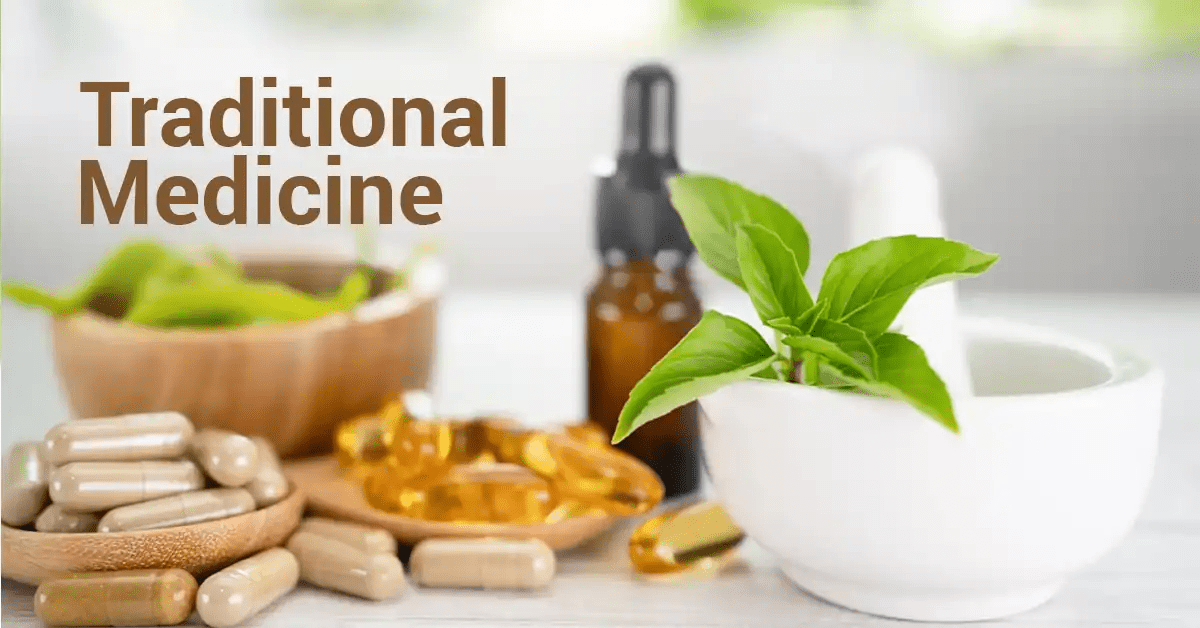
For centuries, people have turned to natural wisdom to heal, prevent illness, and live in harmony with nature. Traditional Health Methode isn’t just folklore—it’s a treasure trove of time-tested practices that modern science is now validating. Let’s explore the powerful roots of holistic wellness.
Traditional Health Methode: A Global Legacy of Healing

The phrase Traditional Health Methode refers to a vast collection of healing practices passed down through generations across cultures. These systems are deeply rooted in local ecosystems, spiritual beliefs, and empirical observations. Unlike modern medicine, which often focuses on symptoms, traditional health approaches emphasize balance, prevention, and holistic well-being.
Origins Across Continents
Every major civilization developed its own version of a Traditional Health Methode. From the Ayurvedic traditions of India to the herbal remedies of Indigenous Amazonian tribes, healing has always been intertwined with culture and environment.
- Ayurveda in India dates back over 3,000 years and is still widely practiced today.
- Traditional Chinese Medicine (TCM) includes acupuncture, herbal therapy, and qigong, with records from 200 BCE.
- African traditional medicine uses plant-based remedies, spiritual rituals, and community healing.
- In the Americas, Native healers used sage, tobacco, and ceremonial practices for physical and spiritual cleansing.
These diverse systems share a common thread: the belief that health is more than the absence of disease—it’s a state of harmony between body, mind, and spirit.
Philosophy Behind Traditional Healing
The core philosophy of Traditional Health Methode is prevention over cure. Instead of waiting for illness to strike, these systems focus on maintaining balance through diet, lifestyle, and spiritual alignment.
- Balance of elements (e.g., fire, water, earth, air in Ayurveda).
- Energy flow (e.g., Qi in TCM, Prana in yoga).
- Seasonal living and alignment with natural rhythms.
“Health is not just the absence of disease, but a dynamic expression of life.” — World Health Organization, echoing ancient wisdom.
7 Core Traditional Health Methode Practices Still Used Today
Despite the rise of modern medicine, millions rely on Traditional Health Methode for daily wellness. Here are seven enduring practices that continue to thrive globally.
1. Herbal Medicine and Plant-Based Healing
One of the most widespread Traditional Health Methode is the use of medicinal plants. Over 80% of the world’s population uses herbal remedies as part of their primary healthcare, according to the World Health Organization.
- Echinacea for immune support in North America.
- Turmeric (curcumin) in India for inflammation and digestion.
- Willow bark, the precursor to aspirin, used by ancient Greeks and Native Americans.
- Artemisia annua, used in TCM, led to the discovery of artemisinin for malaria treatment (Nobel Prize in Medicine, 2015).
Modern pharmacology continues to draw from traditional knowledge. For example, the cancer drug paclitaxel was derived from the Pacific yew tree, long used by Indigenous healers.
2. Acupuncture and Energy Flow Therapies
Acupuncture is a cornerstone of Traditional Health Methode in East Asia. It involves inserting fine needles into specific points along meridians to regulate the flow of Qi (vital energy).
- Recognized by the NIH for treating chronic pain, migraines, and nausea.
- Studies show acupuncture can modulate the nervous system and reduce inflammation.
- Used in integrative medicine clinics worldwide, including Mayo Clinic and Johns Hopkins.
Other energy-based practices include Reiki (Japanese), Pranic Healing (Philippines), and Qigong (China), all aiming to restore energetic balance.
3. Dietary Wisdom and Food as Medicine
Traditional Health Methode often views food as the first line of defense. Diets are tailored to individual constitutions and seasonal changes.
- Ayurveda classifies foods by doshas (Vata, Pitta, Kapha) and recommends personalized diets.
- Mediterranean diet, rooted in ancient Greek and Roman practices, is linked to longevity and heart health.
- Fermented foods like kimchi (Korea), kefir (Caucasus), and miso (Japan) support gut health, now validated by microbiome research.
The concept of “you are what you eat” is not modern—it’s a foundational principle in Traditional Health Methode across cultures.
4. Mind-Body Practices: Yoga, Meditation, and Breathwork
Yoga and meditation are among the most globally recognized Traditional Health Methode. Originating in ancient India, these practices integrate physical postures, breath control, and mental focus.
- Yoga reduces stress, improves flexibility, and lowers blood pressure (American Heart Association).
- Mindfulness meditation, derived from Buddhist traditions, is used in cognitive therapy for anxiety and depression.
- Pranayama (breath control) is shown to improve lung function and reduce cortisol levels.
These practices are now integrated into corporate wellness programs, schools, and hospitals.
5. Detoxification and Cleansing Rituals
Detox is not a modern fad. Traditional Health Methode includes structured cleansing practices to remove toxins and restore vitality.
- Panchakarma in Ayurveda: a five-step detox involving oil massage, herbal steam, and elimination therapies.
- Fasting in Ramadan (Islam), Yom Kippur (Judaism), and Lent (Christianity) for spiritual and physical renewal.
- Sweat lodges used by Native American tribes for purification and healing.
While extreme detox trends can be dangerous, traditional methods are supervised, gradual, and holistic.
6. Spiritual and Ritual Healing
Many Traditional Health Methode incorporate spiritual elements, recognizing that emotional and mental states affect physical health.
- Shamanic healing in Siberia, Latin America, and Southeast Asia uses drumming, chanting, and plant medicines.
- Healing prayers and blessings in African, Middle Eastern, and Pacific Island cultures.
- Use of sacred spaces like temples, springs, or mountains for healing pilgrimages.
Research shows that spiritual practices can reduce anxiety, improve coping mechanisms, and enhance quality of life.
7. Manual Therapies: Massage, Cupping, and Bone Setting
Physical manipulation is a key component of Traditional Health Methode. These therapies aim to improve circulation, relieve pain, and restore alignment.
- Thai massage combines acupressure, assisted yoga, and deep tissue work.
- Cupping therapy, used in TCM and Middle Eastern traditions, creates suction to release muscle tension.
- Bone setting by traditional healers in Africa and Asia treats fractures and dislocations without surgery.
These methods are increasingly studied for their efficacy in musculoskeletal conditions.
Scientific Validation of Traditional Health Methode
Once dismissed as superstition, many Traditional Health Methode are now being validated by modern science. Researchers are turning to ethnobotany, clinical trials, and integrative medicine to understand their mechanisms.
Clinical Studies and Evidence-Based Research
Over the past two decades, thousands of studies have examined traditional practices. For example:
- A 2020 meta-analysis in JAMA Internal Medicine found acupuncture effective for chronic pain.
- Curcumin from turmeric has been studied in over 12,000 scientific papers for anti-inflammatory and anticancer properties.
- Mindfulness-Based Stress Reduction (MBSR), based on Buddhist meditation, is now a standard therapy in psychology.
The National Center for Complementary and Integrative Health (NCCIH) in the U.S. funds research on traditional practices, bridging the gap between ancient wisdom and modern medicine.
Integration into Modern Healthcare Systems
Countries like China, India, and Cuba have integrated Traditional Health Methode into their national healthcare systems.
- In China, hospitals offer both TCM and Western medicine under one roof.
- India’s AYUSH ministry promotes Ayurveda, Yoga, Unani, Siddha, and Homeopathy.
- Cuba uses traditional plant remedies in primary care, especially in rural areas.
This integration improves accessibility and offers patients more choices in treatment.
Challenges in Research and Standardization
Despite progress, challenges remain in studying Traditional Health Methode:
- Complex formulations (e.g., multi-herb remedies) are hard to test with reductionist methods.
- Lack of standardized dosages and quality control in herbal products.
- Cultural context is often lost in clinical trials focused only on biological outcomes.
Researchers advocate for mixed-methods studies that respect both scientific rigor and cultural integrity.
Traditional Health Methode vs. Modern Medicine: Bridging the Gap
It’s not a question of choosing one over the other. The future of healthcare lies in integration—combining the strengths of both systems.
Strengths of Traditional Health Methode
Traditional Health Methode excels in prevention, holistic care, and low-cost interventions.
- Focus on root causes rather than symptoms.
- Personalized treatments based on individual constitution.
- Strong emphasis on lifestyle, diet, and mental well-being.
These approaches are especially valuable for chronic diseases like diabetes, hypertension, and autoimmune disorders.
Strengths of Modern Medicine
Modern medicine shines in acute care, diagnostics, and emergency interventions.
- Advanced imaging (MRI, CT scans) for precise diagnosis.
- Surgery and antibiotics for life-threatening conditions.
- Vaccines and public health measures that have eradicated diseases.
For trauma, infections, and genetic disorders, modern medicine is indispensable.
Toward an Integrative Model
The best outcomes often come from combining both worlds. For example:
- Cancer patients using acupuncture to manage chemotherapy side effects.
- Diabetics combining medication with dietary changes from Traditional Health Methode.
- Mental health patients using meditation alongside psychotherapy.
Integrative medicine clinics are growing worldwide, offering a patient-centered approach that honors both science and tradition.
Preserving Traditional Health Methode in the Modern World
Despite their value, many Traditional Health Methode are at risk of being lost due to globalization, urbanization, and lack of documentation.
Threats to Traditional Knowledge
Several factors endanger the survival of Traditional Health Methode:
- Loss of biodiversity: Medicinal plants are disappearing due to deforestation.
- Intellectual property theft: Corporations patent traditional remedies without compensating communities.
- Younger generations moving away from traditional lifestyles.
The UNESCO Convention for the Safeguarding of Intangible Cultural Heritage includes traditional medicine as a protected practice.
Efforts to Document and Revive Traditions
Organizations and governments are working to preserve Traditional Health Methode:
- India’s Traditional Knowledge Digital Library (TKDL) prevents biopiracy by documenting Ayurvedic formulas.
- Amazonian tribes partnering with scientists to study medicinal plants ethically.
- Universities offering degrees in integrative medicine and ethnobotany.
These efforts ensure that ancient wisdom is not lost but shared responsibly.
Role of Education and Policy
For Traditional Health Methode to thrive, they need formal recognition and education.
- Training programs for traditional healers to ensure safety and efficacy.
- Regulation of herbal products to prevent contamination and mislabeling.
- Insurance coverage for acupuncture, yoga, and other proven therapies.
Policy changes can make traditional practices more accessible and accountable.
How to Safely Incorporate Traditional Health Methode into Your Life
You don’t need to abandon modern medicine to benefit from Traditional Health Methode. Here’s how to integrate them safely and effectively.
Consult Qualified Practitioners
Always seek trained professionals, especially for therapies like acupuncture, herbal medicine, or energy healing.
- Look for certifications from recognized institutions (e.g., NCCAOM for acupuncturists in the U.S.).
- Ask about their training, experience, and approach.
- Avoid practitioners who claim to cure serious diseases without medical evidence.
Integration works best when traditional healers and doctors communicate and collaborate.
Start with Low-Risk Practices
Begin with gentle, evidence-backed methods:
- Practice mindfulness or meditation for 10 minutes a day.
- Incorporate turmeric, ginger, or garlic into your cooking.
- Try gentle yoga or stretching routines.
These small steps can improve energy, digestion, and mental clarity without risk.
Be Aware of Interactions and Contraindications
Some traditional remedies can interact with medications:
- St. John’s Wort can reduce the effectiveness of antidepressants and birth control.
- High-dose herbal supplements may affect liver function.
- Fasting may not be safe for people with diabetes or eating disorders.
Always inform your doctor about any supplements or alternative therapies you’re using.
The Future of Traditional Health Methode in Global Wellness
As the world faces rising rates of chronic disease, stress, and healthcare costs, Traditional Health Methode offers sustainable, holistic solutions.
Global Trends and Rising Popularity
Interest in Traditional Health Methode is growing:
- The global herbal supplements market is projected to reach $135 billion by 2030 (Grand View Research).
- Yoga and meditation apps like Headspace and Calm have millions of users.
- Hospitals are adding integrative wellness centers.
People are seeking more natural, personalized, and preventive approaches to health.
Innovation and Technology
Technology is helping preserve and scale Traditional Health Methode:
- AI is being used to analyze ancient texts and identify potential herbal compounds.
- Telemedicine platforms now offer virtual consultations with Ayurvedic and TCM practitioners.
- Blockchain is being explored to ensure ethical sourcing of medicinal plants.
These innovations make traditional wisdom more accessible and reliable.
A Call for Respect and Collaboration
The future of Traditional Health Methode depends on mutual respect between cultures, scientists, and healthcare providers.
- Honor the origins of these practices and the communities that developed them.
- Support ethical research and fair benefit-sharing.
- Promote policies that integrate traditional and modern medicine.
When we combine ancient wisdom with modern science, we create a more compassionate, effective, and sustainable healthcare system.
What is Traditional Health Methode?
Traditional Health Methode refers to healing practices developed over centuries within various cultures, including herbal medicine, acupuncture, yoga, dietary systems, and spiritual healing. These methods focus on holistic well-being, prevention, and balance between body, mind, and spirit.
Is Traditional Health Methode scientifically proven?
Many Traditional Health Methode have been validated by scientific research. For example, acupuncture is proven effective for chronic pain, and turmeric has anti-inflammatory properties. However, not all practices are equally studied, so it’s important to rely on evidence-based approaches and consult healthcare professionals.
Can I use Traditional Health Methode alongside modern medicine?
Yes, many people safely combine Traditional Health Methode with modern treatments. For instance, cancer patients use acupuncture to manage side effects. Always inform your doctor about any complementary therapies you’re using to avoid interactions.
Are herbal remedies safe?
While many herbal remedies are safe, they can interact with medications or cause side effects if used improperly. Quality varies widely, so choose reputable brands and consult a qualified practitioner before starting any herbal regimen.
How can I learn more about Traditional Health Methode?
You can explore books, online courses, or consult certified practitioners in fields like Ayurveda, Traditional Chinese Medicine, or integrative health. Reputable sources include the National Center for Complementary and Integrative Health (NCCIH) and WHO’s traditional medicine program.
Traditional Health Methode is more than a collection of old remedies—it’s a living, evolving system of wisdom that continues to heal and inspire. From herbal medicine to mindfulness, these practices offer powerful tools for prevention, balance, and holistic well-being. As science validates their efficacy and technology helps preserve them, the future of health lies in integrating the best of both worlds. By respecting cultural origins, ensuring safety, and fostering collaboration, we can create a healthcare system that honors both tradition and innovation. Whether you’re exploring yoga, trying turmeric, or considering acupuncture, the journey into Traditional Health Methode is a step toward a more mindful, balanced, and empowered life.
Further Reading: