
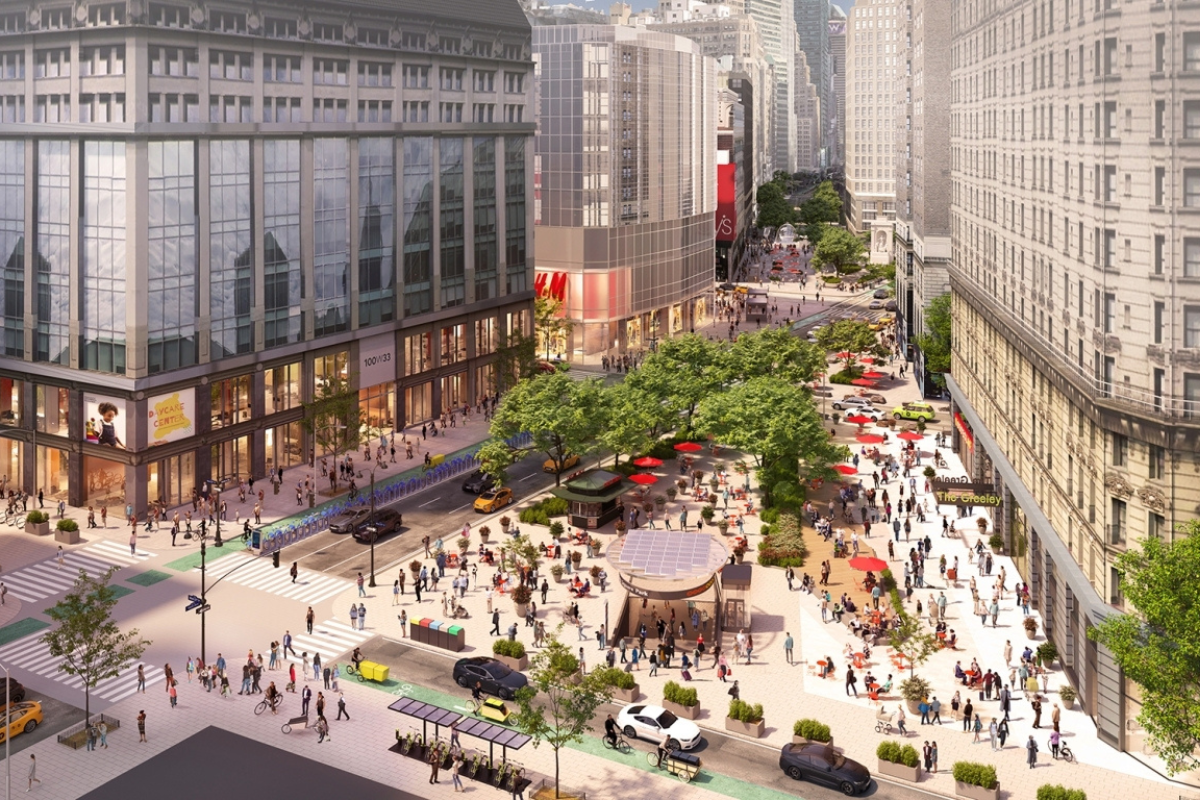
In bustling cities around the globe, a quiet revolution is underway—urban wellness innovations are redefining how we live, breathe, and thrive. From sky-high gardens to AI-powered mental health apps, cities are becoming sanctuaries of well-being.
Urban Wellness Innovations: Rethinking Health in the Concrete Jungle

The concept of urban wellness has evolved dramatically over the past decade. No longer limited to gyms and spas, modern urban wellness innovations integrate technology, design, psychology, and sustainability to create holistic environments that support physical, emotional, and social health. As over 56% of the world’s population lives in cities—a figure projected to rise to 70% by 2050—the need for scalable, inclusive wellness solutions has never been more urgent. According to the United Nations, urban areas face disproportionate challenges related to pollution, stress, sedentary lifestyles, and social isolation, all of which impact public health.
Urban wellness innovations aim to counteract these pressures by embedding well-being into the very fabric of city life. These are not just luxury add-ons for the affluent; they represent a growing movement toward equitable, accessible, and preventive health strategies. Whether it’s transforming vacant lots into healing gardens or using data analytics to optimize air quality, cities from Singapore to Copenhagen are pioneering new models of urban living that prioritize people over profit.
“The city of the future isn’t just smart—it’s healthy.” — Dr. Maria Neira, World Health Organization
Defining Urban Wellness in the 21st Century
Urban wellness goes beyond individual fitness routines. It encompasses the collective health of a city’s population, influenced by infrastructure, policy, community engagement, and environmental quality. The World Health Organization’s Urban Health Initiative defines it as the result of deliberate planning that reduces health inequities and promotes well-being through safe housing, clean air, green spaces, and active transportation.
In practice, this means designing neighborhoods where walking is safe and pleasant, where mental health services are integrated into public spaces, and where technology enhances rather than replaces human connection. Urban wellness innovations are not one-size-fits-all; they must be adaptable to local cultures, climates, and socioeconomic realities.
The Role of Technology in Urban Wellness
Technology is a key enabler of urban wellness innovations. From wearable devices that monitor stress levels to city-wide IoT sensors tracking noise and pollution, digital tools provide real-time data that informs both personal choices and public policy. For example, Barcelona’s Superblock program uses traffic data and air quality sensors to reconfigure streets, reducing vehicle congestion and creating pedestrian-friendly zones that encourage physical activity and social interaction.
- Wearables and mobile apps help individuals track sleep, activity, and mental health.
- AI-driven platforms analyze urban data to predict health risks and optimize resource allocation.
- Telemedicine and virtual therapy expand access to care in densely populated areas.
However, technology must be implemented ethically, with attention to data privacy, digital divides, and algorithmic bias. The most successful urban wellness innovations are those that blend high-tech solutions with human-centered design.
Green Infrastructure as a Pillar of Urban Wellness Innovations
One of the most visible and impactful urban wellness innovations is the integration of green infrastructure into city planning. Parks, urban forests, green roofs, and vertical gardens are no longer decorative afterthoughts—they are essential components of public health strategy. Research consistently shows that access to green space reduces stress, lowers blood pressure, improves cognitive function, and fosters community cohesion.
A landmark study published in The Lancet Planetary Health found that people living within 300 meters of green space had a 12% lower mortality rate from all causes. Cities like Singapore and Melbourne have taken this evidence seriously, embedding nature into their urban DNA through policies that mandate green coverage and incentivize biophilic design.
Urban Forests and Tree Canopy Expansion
Urban forests—strategically planted and maintained tree networks—are among the most cost-effective urban wellness innovations. Trees act as natural air filters, absorbing pollutants like nitrogen dioxide and particulate matter. They also provide shade, reducing urban heat island effects that can elevate temperatures by up to 10°C compared to rural areas.
Cities like Tokyo and Paris have launched ambitious tree-planting campaigns. Paris’s Reinventing Paris initiative includes a goal of planting 170,000 trees by 2026, while Tokyo’s Metropolitan Government promotes “green curtains” — vertical plantings on building exteriors — to cool buildings and improve air quality. These efforts are supported by citizen science apps that allow residents to report tree health and participate in urban forestry.
Green Roofs and Vertical Gardens
Green roofs and living walls are transforming skyscrapers into ecosystems. These structures not only insulate buildings and reduce energy costs but also create habitats for pollinators and improve stormwater management. In Toronto, a bylaw requires all new commercial, residential, and institutional buildings over a certain size to include green roofs, a policy credited with reducing the city’s carbon footprint and improving urban biodiversity.
Vertical gardens, like the one at One Central Park in Sydney, Australia, go a step further by integrating hydroponic systems and solar tracking mirrors to maximize plant growth in dense urban environments. These installations are not just aesthetic; they contribute to psychological well-being by bringing nature into spaces where people live and work.
“Nature is not a luxury; it’s a necessity for urban survival.” — Tim Beatley, Biophilic Cities Project
Smart Mobility and Active Transportation in Urban Wellness Innovations
How we move through cities has a profound impact on our health. Sedentary lifestyles contribute to obesity, cardiovascular disease, and depression. Urban wellness innovations in mobility focus on making walking, cycling, and public transit safer, more convenient, and more enjoyable. The goal is to shift the default mode of transportation from cars to human-powered or shared options.
Cities like Copenhagen and Amsterdam have long been leaders in cycling infrastructure, but new players are emerging. Bogotá, Colombia, has implemented an extensive network of ciclovías—car-free streets open to cyclists and pedestrians every Sunday—that now spans over 120 kilometers. These events not only promote physical activity but also strengthen community bonds.
Bike-Sharing and Micromobility Solutions
Bike-sharing programs, e-scooters, and electric skateboards are reshaping urban mobility. Companies like Lime, Bird, and Tier have deployed thousands of micromobility devices in cities worldwide, offering affordable, low-emission alternatives to short car trips. When integrated with public transit, these systems reduce congestion and pollution while encouraging physical activity.
However, challenges remain, including sidewalk clutter, safety concerns, and equity issues. Some neighborhoods lack access to docking stations or reliable internet for app-based services. The most successful urban wellness innovations in micromobility are those that prioritize safety, inclusivity, and integration with existing transit networks.
15-Minute Cities and Neighborhood-Centric Design
The concept of the “15-minute city,” popularized by Carlos Moreno of Sorbonne University, is one of the most transformative urban wellness innovations of recent years. It envisions neighborhoods where residents can access work, healthcare, education, groceries, and recreation within a 15-minute walk or bike ride. Paris has adopted this model as official policy, retrofitting districts to include mixed-use zoning, local services, and green corridors.
This approach reduces reliance on cars, cuts emissions, and fosters local economies. It also enhances social well-being by encouraging spontaneous interactions and a stronger sense of place. Critics argue it may lead to gentrification, but proponents emphasize that with proper planning, 15-minute cities can be equitable and inclusive.
Urban Wellness Innovations in Mental Health and Social Connection
Mental health is a critical yet often overlooked dimension of urban wellness. City life can be isolating, fast-paced, and overwhelming. Urban wellness innovations are now addressing this through community design, digital tools, and public programs that promote emotional resilience and social belonging.
Loneliness is recognized as a public health crisis, with studies linking it to increased risks of heart disease, dementia, and premature death. Cities are responding with initiatives that foster connection, from communal kitchens to pop-up parks and storytelling benches.
Designing for Social Interaction
Urban design plays a subtle but powerful role in shaping social behavior. Benches arranged in circles invite conversation, while wide sidewalks and plazas encourage lingering. In Melbourne, the Neighborhood Tables program installs shared picnic tables in public spaces, creating informal gathering spots for neighbors to connect.
Similarly, the tactical urbanism movement empowers communities to reclaim underused spaces—like parking spots or vacant lots—for social activities. These low-cost, temporary interventions often lead to permanent changes, demonstrating the power of grassroots urban wellness innovations.
Digital Mental Health Platforms
Technology is also being harnessed to support mental well-being. Apps like Headspace, Calm, and Woebot offer guided meditation, cognitive behavioral therapy (CBT), and mood tracking. Some cities are integrating these tools into public health systems. For example, New York City’s Thriving NYC initiative includes a digital mental health portal that connects residents to free resources and teletherapy services.
AI-powered chatbots are being tested in emergency response systems to triage mental health crises. While they cannot replace human therapists, they provide immediate support and reduce strain on overburdened services. The key is ensuring these platforms are accessible, culturally sensitive, and backed by clinical evidence.
Innovative Housing Models and Urban Wellness Innovations
Housing is a social determinant of health. Poor housing conditions—overcrowding, mold, noise, lack of natural light—are linked to chronic illness, developmental delays in children, and mental health issues. Urban wellness innovations in housing focus on creating affordable, healthy, and community-oriented living environments.
Traditional housing models often prioritize density and profit over well-being. But a new generation of architects and developers is reimagining urban living through co-housing, modular construction, and wellness-integrated design.
Co-Housing and Community-Oriented Living
Co-housing communities combine private residences with shared spaces like kitchens, gardens, and lounges. These models promote intergenerational interaction, reduce isolation, and lower living costs. In Copenhagen, the Urban House project houses young professionals and seniors together, fostering mentorship and mutual support.
Studies show that co-housing residents report higher life satisfaction and lower stress levels. These communities often include wellness features like yoga rooms, meditation spaces, and organic gardens, making them a prime example of urban wellness innovations in action.
Biophilic and Wellness-Integrated Architecture
Biophilic design—incorporating natural elements into buildings—is gaining traction in urban housing. Features like indoor plants, water features, natural materials, and abundant daylight improve air quality and psychological well-being. The Bosco Verticale (Vertical Forest) in Milan, Italy, is a landmark example: two residential towers covered in over 900 trees and 20,000 plants that absorb CO2 and provide habitat for birds and insects.
Developers like Delos and the International WELL Building Institute have created certification systems (e.g., WELL Building Standard) that assess buildings based on air, water, light, fitness, and mental health criteria. These standards are being adopted in cities from Shanghai to San Francisco, signaling a shift toward health-centered urban development.
Urban Wellness Innovations in Public Policy and Governance
Sustainable change requires more than individual projects—it demands systemic reform. Urban wellness innovations are increasingly being embedded in public policy through zoning laws, health impact assessments, and cross-sector collaboration. Cities that treat wellness as a core governance objective are seeing measurable improvements in quality of life.
For instance, Helsinki, Finland, has appointed a Chief Wellbeing Officer to oversee city-wide wellness strategies. This role coordinates efforts across transportation, housing, education, and healthcare, ensuring that every policy decision considers its impact on residents’ health.
Health Impact Assessments in Urban Planning
Health Impact Assessments (HIAs) are tools used to evaluate how proposed projects or policies might affect community health. In London, HIAs are now required for major developments, leading to design changes that prioritize pedestrian safety, green space, and noise reduction. This proactive approach prevents health problems before they arise, aligning with the preventive ethos of urban wellness innovations.
Cross-Sector Partnerships and Funding Models
Effective urban wellness innovations often rely on partnerships between government, private sector, and non-profits. In Singapore, the Healthier SG initiative brings together insurers, tech companies, and community groups to promote preventive care. Similarly, the Rockefeller Foundation’s 100 Resilient Cities program supported cities in building resilience to physical, social, and economic shocks, many of which intersect with wellness.
Alternative funding models, such as social impact bonds, are being used to finance wellness projects. These allow private investors to fund public health initiatives, repaid by governments only if predefined outcomes (e.g., reduced hospitalizations) are achieved. This performance-based approach incentivizes innovation and accountability.
The Future of Urban Wellness Innovations: Trends to Watch
The landscape of urban wellness innovations is rapidly evolving. Emerging technologies, shifting demographics, and climate change are driving new solutions. Here are several trends poised to shape the future of city well-being.
AI and Predictive Wellness Analytics
Artificial intelligence is enabling cities to predict and prevent health crises. By analyzing data from wearables, environmental sensors, and electronic health records, AI can identify patterns and risk factors at the population level. For example, a pilot project in Amsterdam uses AI to predict mental health crises in vulnerable populations, allowing for early intervention.
These systems raise ethical questions about surveillance and consent, but when used transparently and with public trust, they can revolutionize urban public health.
Climate-Resilient Wellness Infrastructure
As climate change intensifies, urban wellness innovations must adapt. Heatwaves, flooding, and air pollution disproportionately affect urban populations. Cities are responding with climate-resilient designs: cool pavements that reflect sunlight, sponge cities that absorb stormwater, and emergency cooling centers during heat events.
These adaptations are not just about survival—they are about maintaining well-being in the face of environmental stress. The integration of climate resilience and wellness is one of the most critical frontiers in urban innovation.
Equity-Centered Urban Wellness Innovations
Perhaps the most important trend is the growing emphasis on equity. Historically, wellness amenities have been concentrated in affluent neighborhoods. But true urban wellness must be inclusive. Initiatives like New York’s Equitable Development Initiative prioritize investments in underserved communities, ensuring that green spaces, healthy food, and mental health services reach those who need them most.
Community-led design processes, participatory budgeting, and cultural sensitivity are becoming central to urban wellness innovations. When residents co-create solutions, the results are more effective, sustainable, and just.
What are urban wellness innovations?
Urban wellness innovations are creative solutions—technological, architectural, social, or policy-driven—that improve the physical, mental, and social well-being of city dwellers. They address challenges like pollution, stress, and isolation by integrating health into urban design and daily life.
How do green spaces contribute to urban wellness?
Green spaces reduce stress, improve air quality, encourage physical activity, and foster social connections. Studies show that access to parks and trees lowers rates of chronic disease and enhances mental health, making them essential components of urban wellness innovations.
Are urban wellness innovations only for wealthy cities?
No. While some high-tech solutions require investment, many urban wellness innovations—like tactical urbanism, community gardens, and walking programs—are low-cost and scalable. The key is prioritizing equity and involving communities in the design process.
What role does technology play in urban wellness?
Technology enables data-driven decision-making, telehealth access, and smart infrastructure. Wearables, AI, and IoT sensors help monitor and improve urban health, but must be implemented ethically to avoid deepening digital divides.
How can individuals contribute to urban wellness?
Individuals can support urban wellness by advocating for green spaces, using active transportation, participating in community initiatives, and adopting sustainable lifestyles. Small actions, when multiplied, create city-wide change.
Urban wellness innovations are reshaping the way we experience city life. From green roofs to AI-powered mental health tools, these advancements are making cities healthier, happier, and more resilient. The most successful innovations are those that blend technology with humanity, design with democracy, and ambition with equity. As urbanization continues, the cities that thrive will be those that place wellness at the heart of their vision. The future of urban living isn’t just about being smart—it’s about being well.
Further Reading: