
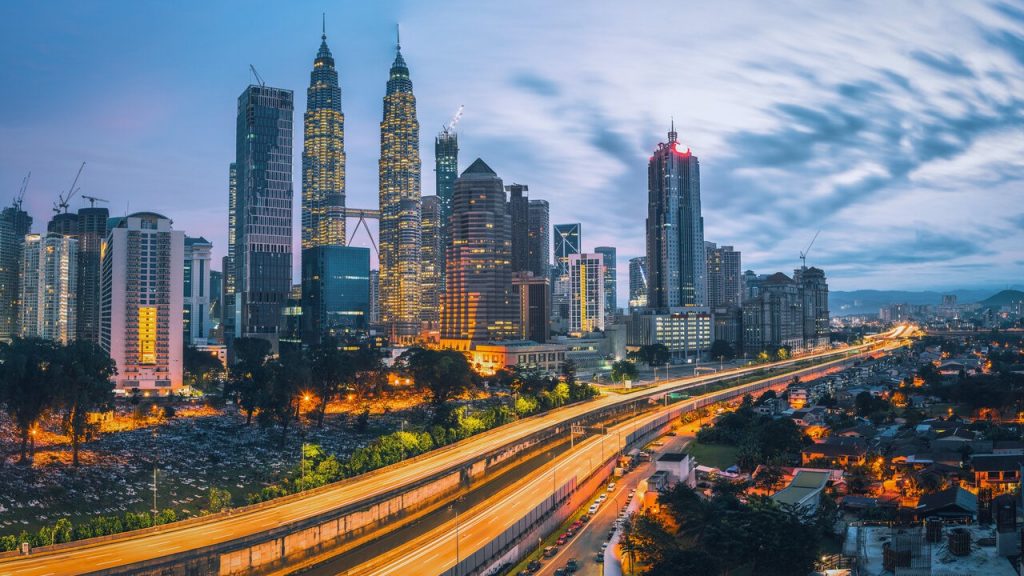
In the heart of bustling cities, a quiet revolution is unfolding—urban wellness innovations are redefining how we live, breathe, and thrive. From green rooftops to AI-powered mental health apps, cities are becoming sanctuaries of well-being.
urban wellness innovations: Rethinking City Living for Holistic Health

The concept of urban wellness has evolved from a niche interest to a global imperative. As over 56% of the world’s population resides in cities—a figure projected to rise to 60% by 2030—the need for sustainable, health-focused urban environments has never been more urgent. Urban wellness innovations are no longer just about fitness centers or yoga studios; they represent a systemic shift in how cities are designed, managed, and experienced.
These innovations integrate physical, mental, and environmental health into the fabric of city life. They respond to the growing challenges of pollution, noise, sedentary lifestyles, and social isolation that plague modern metropolises. According to the World Health Organization (WHO), urban air pollution contributes to 4.2 million premature deaths annually, while mental health disorders are on the rise, especially in high-density areas.
Urban wellness innovations aim to counteract these trends by embedding well-being into infrastructure, policy, and community culture. This includes everything from walkable neighborhoods and green public spaces to digital health platforms and biophilic architecture. The goal is not just to treat illness but to prevent it by designing cities that promote healthy behaviors by default.
Defining Urban Wellness in the 21st Century
Urban wellness goes beyond the absence of disease. It encompasses a state of complete physical, mental, and social well-being within the urban context. This holistic approach recognizes that health is influenced by a complex web of factors—including access to clean air, safe spaces for movement, social connectivity, and economic opportunity.
The World Health Organization defines urban health as “the physical, mental, and social well-being of people living in cities,” emphasizing the role of urban planning in shaping health outcomes. Urban wellness innovations operationalize this definition by creating environments where healthy choices are the easiest choices.
- Urban wellness includes access to green spaces, clean air, and active transportation.
- It prioritizes mental health through community design and digital support systems.
- Innovations often involve cross-sector collaboration between governments, tech firms, and citizens.
The Role of Technology in Urban Wellness
Technology is a key enabler of urban wellness innovations. From smart sensors that monitor air quality in real time to AI-driven mental health chatbots, digital tools are making cities more responsive to human needs. For instance, cities like Barcelona and Singapore have deployed IoT networks to track environmental conditions and optimize public health interventions.
Mobile health applications are also playing a transformative role. Apps like Headspace and Calm, integrated into municipal wellness programs, offer guided meditation and stress reduction tools to urban residents. In New York City, the Department of Health has partnered with digital wellness platforms to provide free mental health resources to underserved communities.
“The future of urban health lies in proactive, preventive systems powered by data and design.” — Dr. Maria Neira, WHO Director of Public Health
Green Infrastructure as a Foundation for urban wellness innovations
One of the most impactful urban wellness innovations is the integration of green infrastructure into city planning. Green spaces—parks, urban forests, green roofs, and community gardens—are no longer seen as aesthetic luxuries but as essential components of public health infrastructure.
Studies consistently show that access to green spaces reduces stress, lowers blood pressure, and improves mood. A landmark study published in The Lancet Planetary Health found that people living within 300 meters of green space had a 12% lower mortality rate. These findings have spurred cities worldwide to invest in nature-based solutions.
Urban Parks and Mental Health
Urban parks serve as psychological sanctuaries in high-stress environments. They provide a space for physical activity, social interaction, and disconnection from digital overload. Cities like Copenhagen and Melbourne have adopted a “15-minute city” model, ensuring that every resident can reach a park within a short walk.
The High Line in New York City, a repurposed elevated railway turned linear park, attracts over 8 million visitors annually and has become a global model for adaptive reuse and urban wellness. Research from the Trust for Public Land shows that neighborhoods with well-maintained parks report lower crime rates and higher community cohesion.
- Parks reduce urban heat island effects and improve air quality.
- They encourage physical activity, reducing risks of obesity and cardiovascular disease.
- Green spaces foster social interaction, combating loneliness and isolation.
Green Roofs and Vertical Gardens
As land becomes scarce in dense cities, vertical greenery offers a scalable solution. Green roofs and living walls not only enhance building aesthetics but also provide insulation, reduce stormwater runoff, and support biodiversity.
Singapore’s “City in a Garden” vision has led to over 200 hectares of green roofs and walls. The Oasia Hotel Downtown, covered in over 21 species of climbing plants, is a prime example of biophilic design enhancing urban wellness. Similarly, Milan’s Bosco Verticale (Vertical Forest) towers house over 900 trees and 11,000 plants, absorbing 30 tons of CO₂ annually.
These structures also improve indoor air quality and reduce noise pollution—key factors in urban mental health. A study by the University of Melbourne found that office workers with views of greenery reported 15% higher job satisfaction and 13% lower stress levels.
Smart Mobility and Active Transportation in urban wellness innovations
How we move through cities directly impacts our health. Urban wellness innovations are reimagining transportation systems to prioritize walking, cycling, and public transit over private car use. This shift not only reduces emissions but also integrates physical activity into daily routines.
urban wellness innovations – Urban wellness innovations menjadi aspek penting yang dibahas di sini.
Cities like Amsterdam, Copenhagen, and Bogotá have demonstrated that investing in active transportation yields significant public health benefits. Bogotá’s Ciclovía program, which closes over 120 kilometers of streets to cars every Sunday, attracts 1.5 million participants weekly and has reduced traffic-related injuries by 50% in participating zones.
Walkability and Public Health
Walkable cities are inherently healthier cities. When neighborhoods are designed with wide sidewalks, pedestrian crossings, and mixed-use zoning, residents are more likely to walk for errands, exercise, or social visits. The Smart Growth America index ranks U.S. cities on walkability and correlates higher scores with lower obesity and diabetes rates.
Paris has taken walkability to the next level with its “15-minute city” plan, aiming to ensure all essential services—schools, clinics, grocery stores—are within a 15-minute walk or bike ride. This model reduces car dependency and fosters community resilience.
- Walkable neighborhoods reduce sedentary behavior and chronic disease risk.
- They enhance social interaction and neighborhood safety.
- Walkability is linked to higher property values and economic vitality.
Bike-Sharing and Micro-Mobility Solutions
Bike-sharing programs are a cornerstone of urban wellness innovations. Cities like Hangzhou, China, operate the world’s largest bike-sharing system with over 86,000 bikes. In Europe, Paris’s Vélib’ and Berlin’s Nextbike have normalized cycling as a mainstream commute option.
Electric scooters and e-bikes have further expanded micro-mobility options. Companies like Lime and Bird partner with cities to provide affordable, low-emission transport. A study by the University of California, Davis found that e-scooter users replaced 40% of car trips, significantly cutting urban emissions.
However, challenges remain—scooter clutter, safety concerns, and equity in access. Cities are responding with designated lanes, parking zones, and subsidized access for low-income users, ensuring these innovations serve all communities.
Digital Health Platforms and urban wellness innovations
The digital revolution has brought urban wellness into the palm of our hands. Mobile apps, wearable devices, and telehealth platforms are making personalized health management accessible to millions. These tools are especially vital in cities where time poverty and stress limit access to traditional healthcare.
Urban wellness innovations in the digital space include AI-driven mental health support, real-time air quality monitoring, and gamified fitness challenges. These platforms leverage data to deliver timely, context-aware interventions.
Mental Health Apps and Teletherapy
Mental health is a critical component of urban wellness. The pressures of city life—noise, crowding, long commutes—contribute to anxiety and depression. Digital solutions are helping bridge the gap in mental health services.
Apps like Woebot and Wysa use AI to provide cognitive behavioral therapy (CBT) techniques through conversational interfaces. In London, the NHS has integrated digital therapy platforms into its mental health strategy, offering free access to evidence-based programs.
Teletherapy platforms like BetterHelp and Talkspace connect urban dwellers with licensed therapists via video or chat, eliminating barriers of time and transportation. During the pandemic, telehealth usage surged by 300%, proving its viability as a long-term solution.
- Digital mental health tools increase access, especially for marginalized groups.
- They offer anonymity, reducing stigma around seeking help.
- AI can detect early signs of distress through voice and text analysis.
Wearables and Real-Time Health Monitoring
Wearable devices like Fitbit, Apple Watch, and Garmin are transforming urban wellness by enabling continuous health tracking. These devices monitor heart rate, sleep patterns, activity levels, and even blood oxygen, providing users with actionable insights.
In urban settings, wearables can integrate with city systems. For example, Seoul’s Smart City initiative links wearable data with public health dashboards to identify stress hotspots and deploy wellness interventions. Similarly, Zurich uses aggregated fitness data to optimize park maintenance and programming.
Future innovations may include wearables that detect air pollution exposure or UV levels, sending alerts when conditions become hazardous. This real-time feedback loop empowers individuals to make healthier choices in dynamic urban environments.
Community-Centric urban wellness innovations
True urban wellness cannot be achieved through technology and infrastructure alone—it must be rooted in community. The most successful urban wellness innovations are those that emerge from and serve local populations, fostering ownership, trust, and social cohesion.
Community gardens, wellness hubs, and participatory planning initiatives are examples of bottom-up approaches that complement top-down policies. These efforts recognize that well-being is not just individual but collective.
urban wellness innovations – Urban wellness innovations menjadi aspek penting yang dibahas di sini.
Urban Farming and Food Security
Access to fresh, nutritious food is a cornerstone of urban wellness. Urban farming initiatives—from rooftop gardens to hydroponic farms—are addressing food deserts and promoting sustainable diets.
In Detroit, the nonprofit Keep Growing Detroit supports over 1,500 urban gardens, providing fresh produce to low-income families. Similarly, Singapore’s Sky Greens uses vertical farming to produce 10 tons of vegetables monthly on just 0.8 hectares of land.
These projects do more than feed people—they build community. Gardening is a therapeutic activity that reduces stress and fosters intergenerational connection. Schools, hospitals, and housing complexes are increasingly incorporating urban farms into their designs.
- Urban farming reduces food miles and carbon emissions.
- It improves nutrition and reduces diet-related diseases.
- Gardens serve as educational spaces for sustainability and health.
Wellness Hubs and Co-Creation Spaces
Wellness hubs are multi-functional community centers that offer fitness classes, mental health support, nutrition workshops, and social events. Unlike traditional gyms, they are designed to be inclusive and accessible.
In Amsterdam, the Buurtzorg model integrates wellness hubs into neighborhood care networks, combining physical health services with social support. In Medellín, Colombia, the city transformed former drug trafficking zones into “library parks” that offer education, recreation, and wellness programs.
These spaces are often co-created with residents, ensuring they meet local needs. Participatory design processes—such as community workshops and digital feedback platforms—empower citizens to shape their environments, increasing engagement and long-term sustainability.
Biophilic Design and urban wellness innovations
Biophilic design—the practice of connecting people with nature through architecture—is a powerful driver of urban wellness innovations. It goes beyond adding plants to a room; it’s about integrating natural elements, patterns, and processes into the built environment to enhance human well-being.
Research shows that biophilic design can reduce stress by up to 37%, improve cognitive function, and accelerate healing. Hospitals, schools, and offices are increasingly adopting these principles to create healthier spaces.
Natural Materials and Sensory Engagement
Using natural materials like wood, stone, and bamboo in construction creates a calming sensory experience. These materials have inherent textures, colors, and scents that evoke nature, even indoors.
The Bullitt Center in Seattle, often called the “greenest commercial building in the world,” uses FSC-certified wood and large operable windows to maximize natural light and ventilation. Employees report higher satisfaction and productivity, reinforcing the link between design and wellness.
Sensory engagement also includes soundscapes—using water features or bird sounds to mask urban noise—and circadian lighting systems that mimic natural daylight patterns, regulating sleep and mood.
- Biophilic design improves air quality and thermal comfort.
- It enhances creativity and focus in work and learning environments.
- Natural elements reduce recovery time in healthcare settings.
Daylighting and Air Quality Optimization
Access to natural light is a critical yet often overlooked aspect of urban wellness. Daylight regulates circadian rhythms, boosts vitamin D production, and improves mood. Buildings designed with daylighting strategies—such as skylights, light shelves, and open floor plans—support occupant health.
Similarly, indoor air quality is paramount. Urban buildings often trap pollutants from traffic, construction, and indoor sources. Innovations like green walls, HEPA filtration, and smart ventilation systems are being deployed to ensure clean air.
The Edge in Amsterdam, a smart office building, uses sensors to monitor CO₂, humidity, and light, adjusting conditions in real time. It has achieved a BREEAM Outstanding rating and is considered a benchmark for healthy buildings.
Policy and Governance in urban wellness innovations
Sustainable urban wellness innovations require strong policy frameworks and governance. While grassroots initiatives are vital, systemic change depends on municipal leadership, funding, and regulation.
Cities that lead in urban wellness—such as Copenhagen, Vancouver, and Helsinki—have integrated health into all aspects of urban planning, a concept known as “Health in All Policies” (HiAP). This approach ensures that transportation, housing, and economic development decisions are evaluated for their health impacts.
urban wellness innovations – Urban wellness innovations menjadi aspek penting yang dibahas di sini.
Zoning Laws and Incentives
Zoning regulations can either hinder or support urban wellness. Forward-thinking cities are revising zoning codes to allow mixed-use developments, rooftop gardens, and wellness centers in residential and commercial areas.
Tax incentives and grants are also being used to encourage private developers to adopt wellness-focused designs. In New York, the Department of City Planning offers density bonuses for buildings that include public plazas, green roofs, or affordable housing.
- Revised zoning can reduce urban sprawl and promote walkability.
- Incentives encourage private investment in public health infrastructure.
- Policies must ensure equity, preventing wellness gentrification.
Public-Private Partnerships and Funding Models
Scaling urban wellness innovations often requires collaboration between governments, businesses, and nonprofits. Public-private partnerships (PPPs) can pool resources, expertise, and risk to deliver large-scale projects.
In Singapore, the government partnered with private firms to develop the Park Connector Network, a 300-kilometer green corridor linking parks and nature reserves. In London, Transport for London collaborates with health organizations to promote active travel through campaigns and infrastructure.
Funding models like social impact bonds are also emerging. These allow investors to fund wellness programs, repaid by governments only if predefined health outcomes—like reduced hospitalizations—are achieved.
What are urban wellness innovations?
Urban wellness innovations are creative solutions—technological, architectural, social, or policy-based—that improve physical, mental, and environmental health in cities. They include green spaces, smart mobility, digital health tools, and community programs designed to make urban life healthier and more sustainable.
How do green spaces contribute to urban wellness?
Green spaces reduce stress, encourage physical activity, improve air quality, and foster social connections. Studies show that access to parks and gardens lowers mortality rates, reduces crime, and enhances overall quality of life in urban areas.
Can technology improve mental health in cities?
Yes. Digital tools like mental health apps, teletherapy platforms, and AI chatbots provide accessible, stigma-free support. Cities are integrating these into public health systems to address rising anxiety and depression rates in urban populations.
What role does community play in urban wellness?
Community is essential. Wellness initiatives that involve local residents—such as urban farms, co-designed parks, and neighborhood hubs—are more sustainable and equitable. They build trust, ownership, and social resilience.
How can cities afford urban wellness innovations?
Through a mix of public funding, private partnerships, and innovative financing like social impact bonds. Many innovations, such as walkable streets and green roofs, also generate long-term savings by reducing healthcare costs and increasing productivity.
Urban wellness innovations are reshaping the future of city life. From green infrastructure and smart mobility to digital health and community-driven design, these advancements are making cities healthier, more resilient, and more human-centered. The most successful initiatives blend technology with nature, policy with participation, and innovation with inclusivity. As urban populations grow, the integration of wellness into city planning is no longer optional—it is essential for survival and prosperity. The cities that thrive in the 21st century will be those that prioritize the well-being of their people as their highest metric of success.
urban wellness innovations – Urban wellness innovations menjadi aspek penting yang dibahas di sini.
Further Reading: